In this episode
- Plan pre-launch marketing with a press release and images ready
- Don’t neglect your newsletter in favour of social
- Make sure the website you send people to is professional
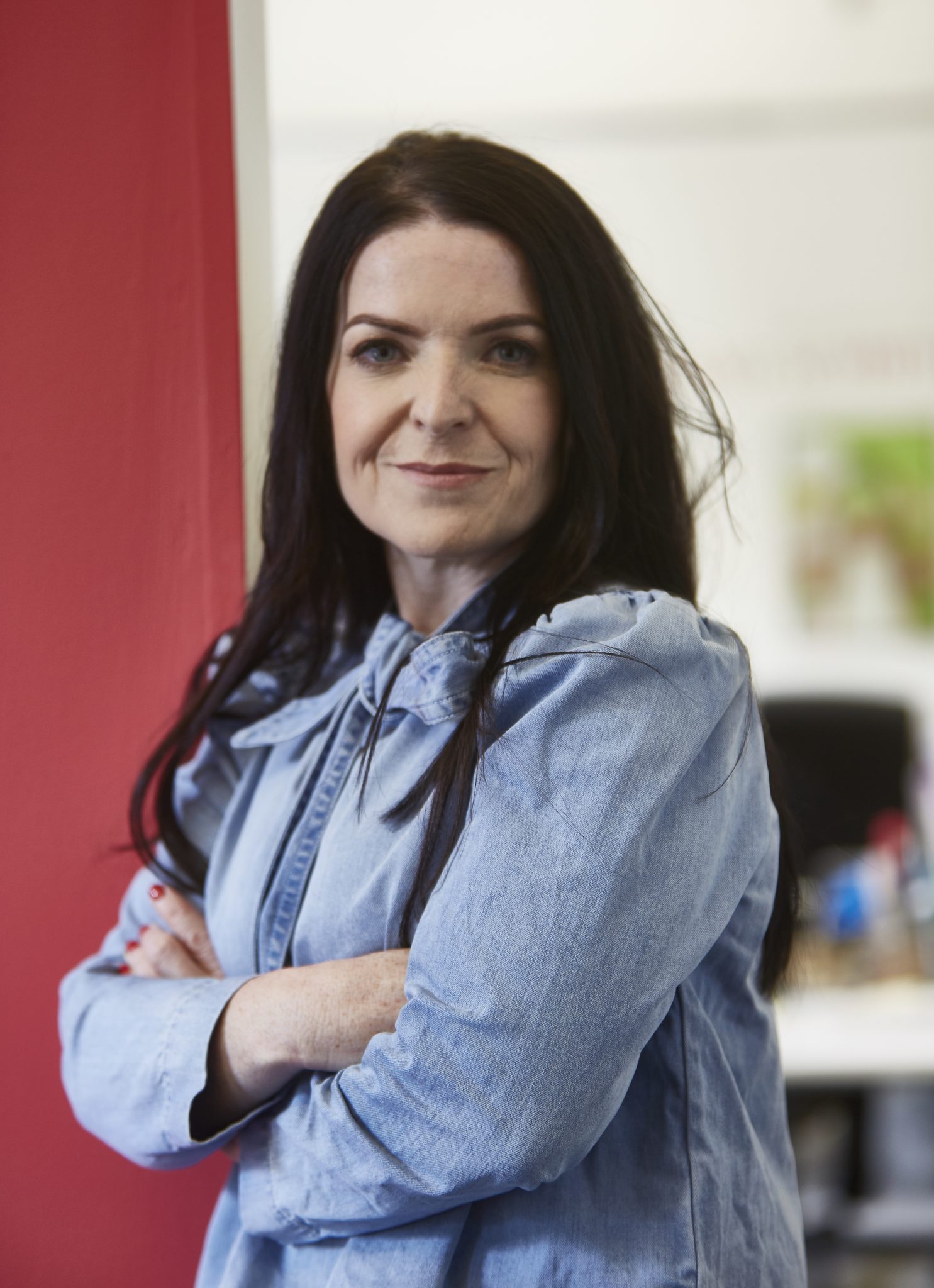
Lucy Werner – The How of PR for your Product Business
On this episode of Start Scale Succeed, Nicole Higgins, The Buyer and Retail Coach, talks about PR for your product business. As a result, you will come away with practical tips for your own product business. So, press play above or read on for the key points.
In this episode, Nicole is in discussion with Lucy Werner, PR and branding expert. Get business advice for pre-launch PR, how to promote when you’ve just started out, and effective post launch campaigns. If you’re asking “how do I get my product mentioned in the media” then this is the podcast for you.
Also hear about what goes on at Lucy’s company, The Wern and her new book “Brand Yourself”, due out on the 7th of September.
KEY TAKEAWAYS
We chat about PR for your product business
Plan your pre-launch marketing strategy. Get your press release and images ready before you even need them, and make sure to have your professional press shots embedded so the reader can instantly see your hero product.
So many people spend time prioritising social media and neglect having a good newsletter which can often drive more interest and sales. Ensure the people you’re directing to your website through both mediums have a professional landing page to arrive at. You need to wow at the first opportunity.
Pre-launch on social media using clever ideas that aren’t just showing the product. We’ve seen fun and inventive posts in the past where the audience has been taken on a behind-the-scenes journey of how and why your product was made.
Think about what your reactions are. What might go wrong? Delays? Copycats? Bad customer feedback? Have a template already built for these things and future forecast any potential problems.
Use media to your advantage by joining the Lightbulb Facebook group (linked below). In the group you will see requests from journalists looking for experts to talk on a specific subject. See if you can link your product into one of these interviews that might be tangentially related. Be clear of what is being asked of you and if you can fit into that. Put yourself in the journalist’s shoes. They’re giving you the platform so care enough to give their audience something they want.
When creating a media list, do your research into who the journalist is and what angle you should use to approach the publication. Make it personal to the audience you’re pitching to. Generic proposals can easily be overlooked so instead of writing your company name and product in the subject line, why not entice the reader into clicking on the email with a catchy, well thought out line.
BEST MOMENTS
“Think about Beyonce taking eight months to rehearse for Coachella. You’re not taking too long, social media makes it look like things happen overnight”
“Look at the media spaces your audiences are already in”
“Attachments aren’t friends. They aren’t always opened. Embed your image into the email”
“How much time should I spend on PR? Well, how much time have you got!”
VALUABLE RESOURCES
Follow Hype Yourself on Instagram
ABOUT THE HOST
Buying & retail expert Nicole Higgins spent the last 18 years working for companies such as Primark, M&S, Debenhams and Asda, sourcing & developing products from all over the world, building strategies for blue chip businesses, and increasing bottom line sales and profit, adding over £40 million in incremental business to the bottom line.
Nicole now uses that experience and works as a consultant and coach for entrepreneurs and small to medium sized business owners, helping them start and scale their product businesses as The Buyer And Retail Coach (TM)
CONTACT METHOD
Website https://www.thebuyerandretailcoach.com
IG https://www.instagram.com/thebuyerandretailcoach/
LinkedIn linkedin.com/in/nicolehigginsuk
Email nicole@thebuyerandretailcoach.com
Newsletter https://thebuyerandretailcoach.com/newsletter-sign-up/
Host Nicole Higgins
Nicole has worked as a buyer and head of buying for over 18 years for retailers such as Primark, M&S and Debenhams and now uses her expertise and knowledge to help entrepreneurs start and scale their product businesses and continues to work on projects with corporates to increase bottom line sales and profits.
She established her own business The Buyer And Retail Coach™ to help give entrepreneurs the confidence and knowledge to bring products to market. Her expertise covers many areas from product development to sourcing and strategy across multi-product categories
The Buyer and retail coach
Nicole Higgins Links
https://www.instagram.com/thebuyerandretailcoach
https://www.linkedin.com/in/nicolehigginsuk
https://thebuyerandretailcoach.com
https://thebuyerandretailcoach.com/newsletter-sign-up
https://thebuyerandretailcoach.com/free-discovery-call
https://thebuyerandretailcoach.com/blog
Find more episodes on the Start Scale Succeed podcast page.
Read the full episode transcript
Welcome to the Start Scale Succeed podcast with me, your host Nicole Higgins, the buyer and retail coach, sharing tips, advice and insight from entrepreneurs that have just launched to multi-million pound business owners. We will be discussing the challenges they faced, advice they would give and the milestones they achieved and how they got there. Also joining me will be a broad range of experts with some tips and practical how-tos, episodes that will help your business grow and to enable you to live the life you crave. The types of experts that you’ll hear from will be those that you will find beneficial as you start and scale your business from branding and social media experts to mindset coaches and PR marketing. There will also be solo episodes from me discussing a variety of topics from sourcing to maximising the profit in your business.
Today’s episode, I’m going to be chatting with Lucy Werner, author of PR toolkit book Hype Yourself and co-author of new book Brand Yourself. Hi, so if you don’t know me, I am Lucy Werner. I’ve worked in publicity in-house and for some of London’s top agencies for the last 17 years. Seven years ago, I set up The Wern, which was my own boutique consultancy specialising in doing publicity for small businesses and start-ups. And then in the last two years, Adrienne has joined me on the business.
So we now on The Wern do PR and branding for you, for start-ups and scale-ups. And we’ve launched a new arm of the business on hypeyourself. com to go with the first which is more of our DIY kind of toolkits and online courses and maybe just for people who are starting out and don’t have as much budget to pay for big kind of, you know, consultancy support, but that we can still give our expertise in an affordable way. Fantastic. We’ll link all those.
I’ll link all those in the show notes as well, so people will be able to find you very easily. So today we’re going to talk more about PR at the start of your business journey and touching a little bit on before you’ve launched, which I know it will be a bit more brand building and marketing, but also what you need to be doing in that kind of first six months and talking about a PR plan. So I will hand over to you, Lucy. Yeah, so I guess I think the first thing to sort of think about really is having a bit of a marketing strategy in place. And typically that is going to start with what your business objectives are.
So for a lot of product based businesses, that’s going to look like getting sales, but it might also look like getting a retailer, you know, getting distribution. It might be looking to have a partner to do a limited edition. So it’s really kind of pinpointing what it is that your business goal is and working from that. So one of the easiest things that people can start doing is actually building their press toolkit. So having a press release written about their product is definitely essential.
If you’re launching a range, I would recommend that you focus on a hero product, try and embed some images within that so that when you’re sending it to journalists or to prospective retailers or partners, they can see what it is that that looks like and making sure you’ve got decent press shots of your products. So for a lot of people, they often don’t get that till the 11th hour. So I think it’s also thinking about putting your brand strategy together of what your vision, your mission, your purpose is, who your target audience is, who it is that you’re for. And when you know what your kind of brand visuals are, it might be that you could then look at using something free like Unsplash, for example, just to give you content images that you could use on your social media channels as sort of fillers to kind of keep your page warm whilst you’re waiting to a big reveal. But also, I think increasingly the brands that we see doing really well, say Painter, for example, which are jackets that are released, you know, in a period of time, what they did really well on that kind of pre-promotion is just showing the behind the scenes.
Although there wasn’t the finished article, there was lots of photos in the factory or, you know, cut and cut and process. Yeah. And so I think the more you can bring people along that journey with you, the better. And you might feel really stupid at the beginning, kind of putting content out there to nobody. But in essence, you actually, and it’s a really weird thing about kind of audience awareness and growth, you kind of need to be doing the best content you’ve ever made at the beginning, because once you’ve got that audience, they’re kind of less forgiving.
When it’s that first opportunity, you kind of want to be sort of wowing them. And I think really the key thing to be working on is building your newsletter, because I think a lot of businesses get fixated on social media. And don’t get me wrong, it’s great. It’s definitely helped me along my journey. But when I look at the time proportionally, I spend on the on newsletter versus social media and which one converts more into sales hands down every single time.
Most of the people I work with, it’s the newsletter that converts, but everybody spends their time thinking about Instagram. So yes, it’s definitely important, but if Instagram crashes or it disappears or your account gets hacked, you know, which are all things that can happen, you need to have a backup. So as much as possible, you want to be pulling people onto your website with a mailing list. So if nothing else, get a landing page with a pop-up box on there. Sign up to my newsletter.
Yeah, absolutely true. I think it’s something like, I know you wouldn’t have product to sell at the beginning, but I think it’s a start between like 25 and 35% of your sales come directly from your email marketing. So absolutely getting that from the beginning and having a release. It doesn’t need to be a fancy landing page. It could just be something that collects email addresses.
Yeah, I get asked a lot by people, do I need a website? Yes. Yes, you do. Doesn’t need to be, you know, Squarespace have beautiful templates, super easy, super intuitive. You know, if you can’t afford a designer, you don’t really need to.
You can actually watch so many YouTube videos that are going to help you how to do that, or you could just buy, you know, a freelancer for half a day to just tidy up what you’ve done. If it looks a dog’s dinner after you’ve attempted it, you know, you don’t need to be worrying about splashing out. If you can’t afford to at the beginning, there’s kind of no excuse to have some kind of brand billboard there. And actually on that, just because they’re kind of a, I guess, sort of weaving in a branding note, which is something I’ve learned from Adrienne, lots of people get worried about colour palettes and images and a logo, everyone fixates on a logo, but actually choosing a really good font or a type is something that can really set you apart and can be a consistent thread that runs across all of your marketing and PR materials. So before they’ve launched, just make sure they’ve got that landing page they can drive people to.
And I know there was a very good there’s a brand that launched in February, sorry, in May, but started kind of talking on Instagram from February and was driving people to an email list. And that was a brand called The Shortlist, which is a brand for petite women. And she did, you know, normally when you would if you would set up your brand, you’d be talking to your customers probably once a week. But at the beginning, you don’t have that much to say. But you might just give them a behind it.
You know, you might say something once a month, but it’s just keeping them warm. It’s that no like and trust and just reminding them, yes, you’re here. Yes, you’re going to launch. And yes, they’ll get that 10 or 15% off when now that they subscribe, now that they know when the when you do launch. And so building the brand at the beginning before you launch and then anything else around that part.
So I guess, like I said, like prepping your your media toolkits, making sure the images and your press release. And also, I would say not trying to scare anybody, but, you know, get something kind of crisis PR prepared as well, because when you’re in the eye of the storm, it can be really hard to not react emotionally. And just sort of think about what your kind of statement might be if somebody copies your work or a customer leaves you a really horrible review. And it’s not a real one. It’s, you know, it’s a it’s a fake review.
Or, you know, just think about what might go wrong. You might have delays because of Covid, because of Brexit, because of any types of things that can happen in the fulfillment center, because, you know, at the moment, it’s the pingedemic, isn’t it? Where everyone’s being pinged to stay at home. So there are a lot of unforeseen circumstances in the supply and demand chain at the moment, which everybody’s open to. But what you don’t want to be doing is sort of waking up one morning, knowing there’s a disaster and having to quickly put that copy together.
Now, obviously, what you prepare in advance is probably going to need to be tweaked and homed in. But actually having a robust crisis sort of Q&A in hand is just going to help you to also sort of just future forecast, really, what might be an issue in your business and take is always better for prevention rather than treatment. We know this as a Western society. We still not quite adopted this on the medicine front yet. But, you know, we all wait until there is an issue and then we try and fix it.
It’s so much better to have that preparation done. And it’s something that a lot of businesses ignore. And this probably leans more into like your your expertise or sort of on the legal side as well. But I see a lot of business owners who say, I’ve launched my brand and I’ve just seen somebody else a month later or six months later or a year later has got the same name and the same branding and is doing the same products. And I’m like, have you trademarked your name?
And they’re like, no, it’s only a few hundred pounds. It’s about 50 grand if you want to legally fight it. So I know which one I’d rather pay out for. You know, and you can’t stop copiers, but it’s probably the thing I see product based businesses obsess over the most as an energy sucker. So, again, it’s kind of getting that sort of the brand build and the PR in place.
If that happens, you’re prepared for it. And a trademark is a really easy way to actually prevent something like that from happening to you. And do you think in terms so with smaller businesses, the person behind the brand is really important. And and a lot of people that are customers and people that are interested in the brand are interested in that person behind the brand. And some people want to share, some people don’t.
But would you in terms of personal brand or, you know, the person behind the brand, would you try and get that type of PR before you launch or so that there’s the interest there? Or would you do it, you know, after you’ve launched? Typically, for me, I would recommend actually waiting until the launch has happened, because if you do suddenly kind of get this flurry of activity and you’re directing people to your website and there’s nothing there, it’s not great. And, you know, it doesn’t always happen. But let’s just say you did manage to get on TV.
That’s quite a tipping point and quite pivotal for a lot of businesses. You want to be ready for when that happens. So I think definitely brand build and, you know, maybe you could start talking about what’s coming ahead. But I really wouldn’t go hell for ever. If you’re a small business owner, I wouldn’t go hell for ever until you’ve actually got something out there, because you just you want you want all roads to lead to sales eventually.
I suppose maybe it’s just at the beginning, getting ready in terms of who where do you want to target so that when you have launched, that you’ve got your list of targets, your list of journalists and what you could actually then what’s related to your story personally and professionally that you could pitch to them as well. Yeah, so for product based businesses, there’s typically two types of publicity. You have what we call what we call the technical term product placement pages, which is essentially when you read a magazine and you literally just see what you kind of call like the ghost cut out. So it’s like the product on a white background and it will have the price and the URL. And those are great.
They’re great for brand building and they’re great for awareness. They’re not necessarily great for sales. So I think a common mistake I see is product placement businesses thinking, that’s it, I’ve got in Sunday time style and now I’m saved. And you know what? It might lead some sales.
It’ll probably be less than you think. But for longevity, when people come to your website and they say, see, oh, I was featured in Sunday time style. It gives you a kind of kudos and credibility. So it’s kind of hard sometimes to quantify the effectiveness of a product placement piece. But like I mentioned, unless it’s TV, you’re unlikely to see this dramatic spike.
So that’s kind of one way that you can do it. The other way in traditional PR is obviously, yes, to get the founder story mentioned. And typically I see founder stories are split into either their business expertise or what I call human interest. So it might be that you’re featured in an article with nothing to do with your business, but you can get a business mentioned within there. And because it’s kind of showing a bit of who you are, your audience connects with you.
And I think that’s another tip, really, if you’re starting out to don’t just only look for opportunities to talk about your business, but things that you could talk about that are related to it. And I can see from everybody I’ve ever worked with, when they’re talking about, you know, like I’ve been in a piece in the Daily Telegraph on how to set up a PR agency, for example. That did not that did not do anything for me other than have my industry peers be like, yeah, well done. That’s great. You know, that’s a lovely ego stroke.
Maybe maybe for once, my mum might read it. But but other than that, it didn’t do anything. Whereas I might do a blog or a talk with a really niche regional networking group or an IG live where it might only be 400 people, but it’s 400 of the exact right audience. And I will see sales or connections or lucrative leads from that. So there’s definitely a kind of pinch of shed the ego a little bit, because actually it’s who is your target audience?
And you know, you should know that from your business objectives and think about where they are. So thinking, I guess, from the PR side, thinking outside of traditional PR, which is what I would call publicity. So people often think PR is just getting into press. Whereas for me, that is just publicity or media relations within public relations. That kind of embodies a lot of your digital marketing as well.
So it’s how you’re presenting yourself in the public eye, who you’re being seen with on an IG live, what you’re posting across your social media channels, what talks you’re attending, how you hold the door open for somebody. You know, everything that we do in public is, you know, a relationship building or destroying exercise, depending on what we’re doing. So, you know, there really is so much you can do out there. And I always now try to be very strategic with the business owners that I work with. So actually getting media coverage might be a really small component of their PR strategy, and it might be more focusing on platforms or places or spaces that are going to work for you.
So at Case In Point, one of the first talks I ever did was for Wolf & Badger, which is an independent retailer. And they interview a lot of product business owners who might have some expertise in how to get stocked or setting up a newsletter or everything related to running a small business. And that goes out to all the other small business owners on their database, but also gives you a relationship with them, which for a lot of people is a really great stockist to be in. So for me, that could be so much more valuable than maybe just kind of cut out of your product in a magazine. Yeah.
And I think as well, going back to your point about getting those stories that aren’t necessarily that are more that you have an association with, but might not be about your business, but your business gets mentioned. And for those people who don’t know about Lightbulb, Lightbulb is a great resource for that. And I know you posted about that today and I saw Charlotte’s post. So Lightbulb is a Facebook group that is purely for journalists and business owners and so that there’s no PR involved. So you can pitch directly to those journalists, but those journalists will also just say, I need someone who has experience of X, Y, Z or can talk about this.
And sometimes it’s, you know, it’s TV, it’s print. It’s, you know, it’s a really broad range of journalists that are on that site. So it’s one for people to definitely have a look at. It’s a said it’s closed Facebook group and I’ll put the link in the show notes as well. But and it’s very good to be able to see people’s.
It’s really motivational to see people’s success stories in there. And it’s it’s like that, OK, this is actually achievable. I can do this. Yeah, it sparks ideas. Actually, one of my favourite kind of requests on that Lightbulb group, which I always reference, was there was one around Christmas time about somebody who might have a Christmas routine with their cat that they will be doing this year.
And I just thought, you know what, for the right person, especially if they’re even connected to owning a pet business or they have some kind of product related to that, it could be a really great human interest piece for them. And actually, you know, I kind of want to know what people’s Christmas traditions with their cats are. You know, like it just piques your interest. It’s nice. It’s soft, fun, fun.
So I think often we can kind of think, well, that’s not related to what I do. But there’s a kind of phrase that I use when it comes to your personal brand, which is showing a bit of ankle and just showing a little bit of your personality. It doesn’t have to be, you know, your children, your partner, your private life or what’s going on behind the scenes. It’s like a pinch of who you are. It can really help the audience to connect with you.
And so if people so in terms of the press toolkit, so you’ve talked about the images, their bios, photography, the crisis, PR side of things. What else would be in that? And I think, well, so if you over excited then, didn’t I? On the photography side, I would say you need your product shots, but also some headshots of yourself. And actually having yourself within a landscape image is a really great idea, because often if you get picked for a paper, it means you can get the lead in the article because they always love a landscape image.
But also if you’re writing for a blog post or contributing to some contributing to something online, they also take it in landscape. So it’s just really good. I think typically when people get headshots, they go portrait only. So getting a few landscape options in there is really worthwhile. And generally speaking, I get people to kind of keep a notebook or a list of the three topics that they could talk about.
So either people fall into two camps. They either have so many ideas about what to talk about. So I’m just like, get them all out and then pick one. Or they’re on the opposite end of that. I have no idea.
I’m not interesting, which is definitely if any of you are going, I’m not interesting, I don’t have a story. It’s 100 percent not true. And loads of people feel like that. And generally, my solution to that is to just kind of ask yourself, you know, interview yourself about why you’re doing what you’re doing. If somebody wanted to do what you’re doing, what do you wish that you knew you know, back then that you don’t that you would tell yourself now?
And I think it’s the same like when quite often, particularly for product based business owners, there is a reason they are doing that product that there’s a gap in the market that they, you know, they felt really compelled from an emotional story to do something. You know, there’s normally a really good rationale. So you already you already have a story in there of how you wanted to do what it is that you’re doing and the way that you’ve gone about doing it, particularly if you’ve got, you know, if you’re vegan, ethical, sustainable, you know, including sort of accessibility or diversity, inclusion, so many different angles to how people are putting products together in this day and age and highlighting those is really interesting. So I know you’ve talked a bit before about news jacking and getting on the back of something that’s topical. And I think and like you say, if you’ve kind of got those things that you could talk about or that you have a bit of an angle on, that you can then get on the back of something that becomes that’s prominent or topical in the press and you can give your slant to it then as well.
Yeah, I think, you know, typically I always actually get small business brands to borrow from big brands and big celebrities and see what they’re doing, because, you know, a actually big celebrities teach us that success doesn’t happen overnight. You know, you think about all of you think about like Joe Wicks, for example, and his whole like, you know, it took six years for this overnight success or 10 years or have whatever his spiel is. You think about like Beyonce taking eight months to rehearse Coachella. You know, there’s actually a lot of examples out there that we need to borrow from and absorb into ourselves when we’re like, we’re not I’m taking too long, you’re not taking too long. It’s fine.
It’s normal. Social media makes it look like it’s overnight. And actually talking about that journey and the length of such comfort to to everybody. And I guess on the flip side of that, there’s like the big brands who will react to stuff. So one of my favorite ones that worked really well in January, I think in January 2021, don’t if you notice this, if you’re part of any Facebook groups, everybody started to get really gnarly and nasty because we were in like the third UK lockdown.
And it was just this sort of weird. It was kind of like that bit in Ghostbusters where the negative slime kind of goes everywhere. And I see people asking these requests. And I remember posting about Weetabix and baked beans going viral from like a kind of social media stunt and all these other brands were hijacking it. And then the next day, Mean Mail did a card that said, you’re the baked beans to my Weetabix, which I’ve actually got off my wall because Kim from Kim Does Marketing sent it to me.
But, you know, it was just such a quick turnaround for a limited edition. And I think it worked so well at the time because it was these sort of like dark days that we were suddenly like, we have baked beans. Hilarious. Thank goodness somebody distracted. Like, look over there.
Yes. Yeah. Something kind of fun and frivolous to take your mind off. And it’s definitely picking the timing with that. Like, you know, there are moments where that’s not going to be an OK time to do that.
But generally, like UK government, that’s fine because, you know, it’s UK government. I think everybody’s got sort of a UK government eye roll thing going on at the moment. But yeah, so definitely kind of being able to sort of hijack with your own comment and your post, it’s low risk, you know, might not even get, you know, anything. So definitely the way to kind of have a look at that, actually, is look at what the hashtags are trending on Twitter. Yeah.
And another person I know who did really well on that was she’s called Anna. She’s a social media consultant and she used the hashtag dogs at polling stations. She just took to this most epic photo of about 10 dogs outside the kind of local village polling station. It was a brilliant blue sky and it was just it was an iconic photo. But because she used that hashtag, that went viral.
Then she got picked up. She was featured in the paper. And, you know, it’s not an exact method, but she’s probably posted hundreds of photos using topical hashtags and not had that much traction. But when it goes, it goes. So it’s always worth a chance.
And then in your book, you talk about in your book, you describe yourself at the beginning. You talk about your PR plan. Can you explain for people that are really just like, right, OK, what should I have in my PR plan? What is a PR plan? So I think after kind of having your business strategy, your business objectives, your target audience side of things, it’s actually looking at where that target audience is playing.
So I kind of get people to do a media mind map. I mean, I do it all the time. I actually do these kind of diagrams where I have like the word in the middle and then I just do all the branches. So like what newspapers, what magazines, what radio stations, what podcasts, what business networks, what work hubs, what events, you know, and think about all the different places and spaces that your audience is in and then start to drill down into that. So maybe it’s a case of even polling like one of your best customers.
Or if you’re new, you’re polling the people who you think are going to be your future customers to find out, you know, where it is that they’re consuming media. Definitely do like a kind of a weekend paper shop at your local news agent, buy a bunch of magazines or you can use an app like Readly, which is like a magazine tool so you can read through all the different publications and just get a feel of like where it is that you can fit. And it’s definitely a case of like test and learn with that that media list. So you might see that certain pieces of coverage or certain podcasts or certain events do really well for you. And if that is the case, then you can start really drilling down and working on it, I guess, as well for probably products.
You’re also thinking about the shows because there’s some quite key trade shows that can be quite game changing, isn’t there? I think. Yeah, I think as well, it depends whether that that’s part of your that part of your business strategy at the start. I think if it’s definitely part of if you want to do wholesale, then, you know, definitely it’s attending those trade shows, trade shows, seeing what’s going on and then listening to those talks. And then you could also become someone that is, you know, one of those speakers when the time is right for you as well.
And then that that highlights your knowledge. It highlights your your your business as well. So it’s like that indirect link to your business as well. So, yes, definitely getting that kind of media list. And when I say the word media, I mean, like all forms, all forms of media.
You know, I kind of almost put, you know, I focus a lot on startups, small businesses and entrepreneurs. So for me, my media is is actually a lot of work spaces and work hubs and business accelerators, because that’s where I can reach a lot of that audience that’s got an appetite to learn and is often kind of quite dynamic in their thinking. And then once you’ve got that media list, it’s really starting to craft the pitch and actually the pitch bit, the actual bit of sending that email is quick. It’s the writing of that email that takes the longest amount of time. So I think one of the biggest mistakes I see is people writing a press release or writing a pitch to journalists and then firing it out to sort of 300 people.
And we all know that feeling like how many of us you were just saying before you recorded about sales messages on Instagram. I personally, I get a lot on LinkedIn at the moment, so people will connect with me and then suddenly start talking to me about, do you need a podcast strategy for your business? I say this like mockingly as I’m sat on a podcast now thinking, like, quite obviously, no, I don’t need your help to get onto podcasts. If you just put my name in Spotify, you can see what podcast I’ve been on. And it’s kind of this weird and it will be like, oh, I saw your books coming out, hype yourself.
You know, it’s been out for a year and a half. Yeah, we’ve not even done any research. They don’t know who they’re talking to. Yeah. And you can tell you can really tell.
So if somebody had just spent 10 or 15 minutes, probably. I mean, even longer than that can be worth it. Sometimes if you’re going, you know, if you’re pitching for a really big event slot, you’re pitching for a really high profile interview slot in a national or a women’s weekly. Not so much the product placement slots for that. It really is a kind of a top and tail.
So in the subject line, I’d be very clear. This is the column I’m pitching for. And this is the product. And probably as an additional tip on that, people, it’s not in a bad way, but people are very inclined to use their names or their business in the subject line. And the reality is, unless you’re Apple or Facebook, nobody knows who you are.
I will never pitch myself as founder of The Worm, because literally, well, half people think it’s either The Worm or The Wren anyway. Which is what I get a lot. It’s fine. But also it’s like it’s just going to get lost. Whereas if I say PR expert or small business author or, you know, DIY small business tips, that’s going to make somebody then go, oh, yeah, I’m actually looking to somebody that does that.
Founder of The Worn doesn’t mean anything to the person on the other end. But yeah, just sort of circling back, taking that time to research the person or the column is just so essential. And actually, it’s all about quality, not quantity. And that’s why for me, it is a myth that you need this little black book of contacts. Yes, obviously, if you have contacts, your life is easier because that person knows your name in your inbox.
However, I would say 90% of the press coverage that I’ve secured or my I was going to say my client, I guess my clients, consumers, customers, they’re getting for themselves. They they don’t know the journalist. It’s a it’s a blind pitch, if you will. Your cold, cold calling pitch. So you don’t have to have that relationship.
Again, they nourishing them is good. So making sure you’re following with them on social media, engaging with them. You know, I can really tell. And you were saying this before we recorded as well. You can tell who’s who knows you and who knows what you’re about versus who’s just literally started following and going, right, I’m just going to try and get whatever from this person.
And also, I think it’s also being super clear when you see a journalist request or you see an opportunity that it’s not about shoehorning yourself in there. It’s actually being really clear. This is what’s being asked of me. And I’m going to give it all to them. So, you know, case in point, I might see a journalist say, actually, I’ll give it for myself.
So I have a newsletter and I have a friends and family section in that newsletter. And in it, I like to reference other small business owners who have a service or maybe it could be a product. But when I say a product is in like a product for small business people. So yeah, a keyboard or a planner or right. And I’m like, I’m always open to people to be in that friends and family section.
And I’ll get people to go, oh, yeah, that sounds great. If you want more information, you can email me. And I think, yeah, I’m helping you out. So give me the stuff. Or I’ll get like these very sort of people be like, oh, I make baby blankets.
And like, that’s lovely. But I don’t promote products. You’ll sort of see on my feed, I never promote products. And I sometimes promote products that I’ve bought for myself or of my clients that I’ve worked with or people that I’ve worked with. But I don’t resonate with you that you just think, God, this is so great.
I have to tell people about it. Yeah, it’s like I’m not a an influencer. I am a small business support service provider. I’m not there to fix your title. No, basically, but I’m not there to like sort of share.
I mean, I don’t I obviously I talk about my children. I have talked about my kind of because I had a bit of a traumatic experience with my second son. I’ve talked about that because I want to help other people. You might be going something behind the scenes now that it’s OK to pick a hand up and say you’re struggling. But I don’t ever put my children on my work feed or, you know, so I’m not going to be doing baby blankets in my monthly newsletter to my, you know, my small business audience.
And it’s really hard, then, to turn around so many be like, oh, you’ve been you’ve just pitched me in the most earnest way. And it’s so cute and lovely, but it just doesn’t fit with what I’m doing. And what often happens with journalists is that happens a lot. Where they get so many of them and then people get offended when they don’t hear back. But when you’re putting out a journal request, for example, not only is it open to the whole of Twitter, there’s probably about four or five different journalists response services who are scraping them and sending them out on mailing lists to people who are paying to subscribe because they don’t have time to look at Twitter, let alone if that journalist has even put that request somewhere else that they might have put it in light bulb or in any other kind of group.
So they are maybe getting two, 300 responses to that. So, yeah, and I think that’s so it’s so important that you say then for the subject title. Can you imagine getting 200 emails and they’re they’re all saying Nicole Higgins, Lucy weren’t, you know, rather than saying children’s sustainable brand or, you know, the top tips for X, Y, Z. You know, that I think if people need to put themselves in the journalist’s shoes and be like, right, what would I what would I want to see or read or have? And like you say, it’s the photography or a link to photography that they can have a look at.
Yeah, I remember like I snatched a whole like two thirds of a page in the Evening Standard because they’re doing a piece on working from home are you for it or against it? And I remember pitching at the subject line saying, I love working from home and I have a great photo. And I embedded like a low res image of me and Adrienne stood in front of the rainbow shells in our office. And then I wrote exactly what she could then take verbatim for that article as if I’d already been included and then did my sign off of and here’s me and here’s my bio and here’s my mobile number and email. But it wasn’t like, oh, you know, I love working.
I can talk to you about working from home. And I’ve got a photo. It was like, here is the photo. And here’s exactly why I love working from home. Like she didn’t need anything.
She didn’t need something else. She came back with a bunch of questions. And then she made it into a lovely spin story that it wasn’t actually quite true, but it’s fine because it was like I was like, well, for brand awareness, it’s like our face plaster across the DPS double page spread in the evening standards. I’ll take it. You can say what you like.
And the turnaround is very quick as well, isn’t it? Yeah. So that’s why if they’re asking for something, you need to get back straight away because you could just then, if you don’t provide it, you could be discounted from the article or, you know, the thing is people making sure that they are they’re really on the ball when they’re being asked for something or like you say, giving what they need from the beginning anyway, but making sure that it’s low risk so that you’re not clogging up the yeah, you know, box as well. Yeah. Attachments are not friends.
So like embedding or like giving links to a Dropbox or WeTransfer. Oh, it’s funny. I see a lot of different debate from different journalists about how they prefer to get their images. So I always say if you can, can be asked. Like having maybe, you know, a Dropbox and a WeTransfer because some people don’t use Dropbox.
Some people like Google Drive. Some people hate to download from a WeTransfer. So having kind of like a few options of different places you can get images, you know, is good. But the reality is if your product is good and it’s the right fit, they will bother to do it. And that’s why having the low res embedded into the email is so important so they can actually get a glimpse of what it looks like.
So people have their mind map. They know to make a personalized pitch to the journalist rather than something that’s generic. So you’re not sending out a CC, a blind CC to all. You’re making more, you know, you’re making it more relevant to the paper, the journalist and, like you say, the article that you think or the not the article, but the type of page or the subject that they normally do. Like so in in Red magazine, there’ll be profiles on entrepreneurs or business women or, you know, so you might be like saying I’m pitching for this page or I’m pitching for this spread.
And then what what are the kind of things? So once they’ve got the mind map, is there anything else that you think that they need to be doing? I mean, so I’m a bit of a spreadsheet. I don’t know why the alliteration for me this morning is proving to be really useful. And yeah, I have like a kind of spreadsheet where it’s all managed.
So all my media lists are in there. I have the date of when I pitch, what I pitched them. I log it. I kind of use a traffic light system like green, orange, red of like if it’s going in, if it’s warm, if it’s like no go, no response. And so then you kind of keep on track and just keeping consistent and allocating some time.
And you have to do what works for you. Like one of the questions I hate is when someone’s like, how much time should I spend on PR? And I’m like, well, how much time have you got? Because really you could do it 24 seven, you could. So you’ve got to do what works for you.
So some people, they have one day a week where they focus on their business. For some people, that’s just not possible. Maybe it’s just half a day, once a month. Personally, I do think that trying to get into some kind of routine is good. Maybe it’s one pitch a day or two pitches a week, because what often happens is if we leave it to a moment, then we get busy and it’s not top of the list.
So we move on to something else. And actually, the key thing for PR and promoting yourself is maintaining that momentum. The big pieces that I’ve ever got for myself or my clients, they’ve never been an overnight pitch. They have been months in the making. And even when I start working with somebody, typically it starts to take two to three months to really build that momentum up, particularly on traditional press, because you’re you’re emailing the journalist, you’re then maybe following up a few weeks later.
So it takes time. So don’t have this fear that you’ve been doing it for two or three months and nothing’s happened. That is kind of normal. It might be that you do need to tweak your your pitch or look at what your story angle is. There are so many great freelance PRs or freelance journalists out there that can help you on refining your pitch or give you pitch ideas if it’s really not flying.
Light bulb, like we said, like that’s a great testing area. Quite often you’ll see the journalist coming in being like, it’s too long, it’s too short. You need to say it’s real life right up top. You need to say it’s a human interest story. You need to say it’s a case study.
Because often, you know, I see sort of weird pictures in there sometimes where someone just is sort of, I don’t know, praising the Lord about a situation and you’re like, that’s lovely. But that’s not that’s not a press story. And it’s not what that platform light bulb is for. Yeah, it’s not for social commentary unless you have an angle from it, from your from your own business. And in turn, when you’re talking there about freelance PRs, is the best place to find freelance PRs and freelance journalists?
Is the best place to find those people on Instagram or is it? I don’t know. When I know where all the great freelance PRs are, I’ll let you know. Because do you know what, it’s actually it’s a really difficult one because on the consultancy side, I only take on like three or four projects at one time. And I do have a team of freelancers that I work with.
But typically, you know, there’s a lot of with any like business you’re in. There’s a lot of duds out there as well. And some are very expensive. Some aren’t. If somebody’s price too high, it worries me.
If somebody’s price too low, that worries me because I’m like, are you good? Because if you’re only charging a hundred quid a day, that makes me worry that you’re not very good because you should be commanding more than that. So for me, you know, I’ve got probably maybe four or five freelancers that I would work with. And then there’s maybe six freelancers that I would recommend. But most of the PRs outside of agency land that I recommend are people like Rosie from PR Dispatched, Fiona from Boss Your PR, Ronky from Ariety Public Relations.
You know, they’re not typically people that do huge amounts of of client work. So it’s hard. I think it’s definitely on my to do list to do some kind of like roster list and then do a disclaimer of like, I do not know these people. If you work with them, it’s nothing to do with me. Because that’s the thing.
It’s my name on the door at the end of the day. So if somebody asks me for a recommendation, I don’t really want to recommend somebody that I’ve not worked with, because unless I’ve worked with them or I know somebody else close in my area that has because I’ve had people recommended to me that I’ve then worked with. And then I thought they’ve not delivered at all what we’ve needed. But for them, the other person’s really rated them. So, yeah, it’s it’s I think finding freelance anybody, whatever service business you’re in, can be really tricky.
So I would ask your friends and I would also look at businesses that are similar to you, that have maybe worked with somebody that you think, you know what, they’ve done a really good job for them. I remember, you know, it’s not a cookie cutter. So if they’ve had loads of success for one person, that doesn’t automatically mean they’re going to have loads of success to you. But I think some people that some PRs are in that industry, there’d be some PR people that would be quite specialised, maybe in beauty and have lots of contacts within that. So it’s maybe looking at the industry that that you are in or the product, you know, the industry that your product is in or plays in as well.
So they might want to go down that route. But there’s a lot that you can do yourself without having to spend out and fork out on agencies. One is by your book and the courses and the workshops. And like you mentioned, PR dispatch, they have some amazing videos that, you know, that you can download and watch for free as well. It’s more time and it’s more time, you know, it’s more time consuming to do that.
But then, but speaking on time and just a lot of people, some people, maybe when they’re starting out in terms of the lead times that magazines are on, I know that’s that’s print media and you can be a lot more spontaneous with online media. But so like magazines like Red, Marie Claire, normally, I know Marie Claire doesn’t exist anymore. I know. But say, you know, they’re usually like on a six month lead time. Is that right?
Yeah, so we have what we call Christmas in July in our world. Yeah, you know, where they’re starting to kind of look at pictures and then mid lead is kind of sort of it can be anywhere between six weeks and three months. So mid lead is what we call like a weekly magazine, or it could be like a Sunday supplement and, you know, or like something like time out like for, you know, it’s listings. But if you’re doing a pop up shop, for example, it’s no good going the week before for time out, to be like my pop up shops next week. Like you need to be hitting them like seven, eight weeks out.
Ideally, you might still be able to do it like four weeks. But yeah, the week before, it’s always like an absolute nightmare when someone’s like, oh, but my pop up’s tomorrow. Yeah, that’s really hard. But, you know, that’s where you can go to like online and video. And increasingly now, like a lot of media publications have had their social media video teams as well.
So that’s a really great opportunity to kind of get product featured. And so where people can find the picture. So we’ve mentioned Lifebulb, Twitter, Hashtag Journal Request. There’s also Haro, Help a Reporter Out. Yeah, it’s more…
I would not use that one. I don’t love it. You can actually also pay for a journalist subscription service. Some of them you can share. So there’s a journal response, journal link, response source, press plugs.
I think those are probably the main ones. You can actually trial them. Oh, actually, and depending on your industry, there’s also one called like Fashion Monitor and Beauty Monitor. And I think there’s another kind of like food for media or something. I mean, you can literally you can dig around and find your niche.
You can trial all of them. So, you know, you can see if it’s something that’s going to fit for you or not. But generally speaking, you know, if you’re doing your homework and buying the publications that you want to be in, you’re going to know who the journalists are. You’re building like a little Twitter list or having a small sort of like media list, following those people on LinkedIn and Twitter, because a lot of journalists are kind of putting call outs and stories all the time. Thank you.
And to wrap up, any kind of do not, any like don’t do’s when it comes to PR? Don’t send the same press release and same pitch out to hundreds of people, particularly for products. You know, you definitely you want to get the name of that journalist, right? You want to get the name of the column, right? The show that, you know, you could they’re doing you the favor to feature you.
So care enough to actually give them something that their audience wants by knowing, you know, what the right fit is. And also on the flip side, like, you know, think we’re thinking about is my product the right fit here? And, you know, I’ve spoken to a lot of people whose dream is to be a nice stylist magazine, but I’m like, that’s a luxury female product that we’re looking at. Is your product really on the luxury spectrum? And again, like they don’t typically feature baby products, you know, which is something I see quite a lot.
So it’s being sort of realistic about where it is that where it is that you can be. Don’t follow up to be like, did you see my email? Did you see my press release? I think you delete, delete, delete. It’s fine to do a follow up, but try and add something different or a different angle.
You know, lots of these titles that we’re talking about, they do what I call listicles. They’ll do like a top 10. So maybe if. You know, so I used to work for small laundry capsules, for example. So it might be that one month I’m pitching one particular type of angle.
And then the next time I’m going back, being like, wanted to see if you wanted any samples. And then the next time I’m going back, it could be like, are you doing anything on cleaning or home subscriptions because we’re in lockdown and we can’t go out again or plastic free, you know, home products or. It’s like, you know, it’s like thinking about those, when you look at those calendars and it’s like, so July was plastic free month, you know, so it could be like you say, it could be that or if you’ve got pet products and it’s it’s world dog day or world pet day, you know, yeah, you’ve pitched before, but you can repitch, you know, using something like that. Yeah. And then and then I guess another sort of mistake is somebody will see it.
Oh, they’ve just done a top 10 on children’s footwear. And I wasn’t included, so I’m going to email her now and ask her if she’d like to include me in the future. And what the reality is, you probably then missed it. But maybe you could find a way to get your footwear in from a different angle. So maybe you use a jungle print and they might do a jungle print shoe feature or maybe it’s a sustainable shoe.
So you might get actually I know you’ve already done kid shoes, but if you’re doing a roundup on sustainable shoes, like maybe we could fit in as one kid’s product within that. So trying to just find a new new way to be in. And that’s and that’s also why it’s important to be reading, because you don’t want to be pitching an idea that they literally just done, because it’s instantly going to turn them off. Well, yeah, because they might, you know, they’re just like, well, I’ve already done that. I’m not going to do it now.
So we’re reading. No, no. Any other don’ts? I could go on. No, I think that’s it really.
Are any other kind of things that you like that you want to remind people or that we’ve maybe not touched on that you think of? I think just taking the steps to get there. So for a lot of people, particularly even as founders, they’ll be like, oh, I want to, I want to do a TEDx. So I want to be in Forbes or I want to be in Vogue. And they set these targets themselves.
And I’m like, okay, cool. What are you going to be talking about those in those areas? And they might not know. Or I’m like, have you connected with anybody who writes about your section or found somebody who curates speakers in your area? Or, you know, are you taking those steps to do it?
And they’re all like, huh? It’s not just going to magic on a Tuesday afternoon. They’re not going to get the call. So, you know, sometimes doing your own PR looks like you stalking a bunch of people on LinkedIn and connecting with them. And that’s okay.
Like I say, I don’t, I actually don’t want to get myself into trouble and get like. Yeah, you don’t mean stalking. I don’t mean stalking. I’m not here for stalking. It’s not good.
Reconnecting and engaging. Yeah, you know, I don’t want to get. I sometimes say these things frequently and think, oh, actually it was a little bit insensitive, so sorry about that. Don’t stalk. That’s not good.
But, you know, just kind of building an authentic relationship and being genuine about it. You know, finding out more what it is that they’re looking for from contributors. And quite often, you know, it’s so weird, right? We all stress about something. Well, I say we.
I heard that they all struggle with what to post on social media sometimes. And for me, probably one of the questions I’m asked the most is how do I get a TEDx? And I did a post a few weeks ago about the head of TEDx London doing a free talk on what it is they are looking for and how they pick speakers. And it was the most bombed out post I’d ever done. And I was like, this is so weird.
I don’t know if it’s the algorithm. I don’t know if it’s the audience, but I know that you all want to know how to do this. So I don’t know why none of you like this post. It was so, so strange. But, you know, what’s going to give you that advantage is always that just one more email, just one more connection, just one more talk.
And there’s so many free talks online at the moment. That’s the one perk of the pandemic. So, you know, Meetup, Eventbrite, loads of the journalists that we love or the event organizers that we want to be connecting with are telling us how we can reach them online for free. So take advantage of that. Thank you so much for joining me today, Lucy.
And we’ll put all the details, like I said, in terms of your book and your upcoming book and the PR tips as well in the show notes. And, you know, I’ve used the PR tips. I’ve used hype yourself. I need to use it more because I need to do my own, start working on my own PR as well. But I always recommend it to my clients as well.
So for those people who haven’t seen it, bought it or not heard of it, definitely check it out. And I’m sure the Brand Yourself book, which is coming out in September, will be just as awesome and just as useful. Thanks for having me, Nicole. I’ve loved having Lucy as a guest today. And if you’ve enjoyed this week’s episode of Start, Scale, Succeed, then don’t forget to click the subscribe button.
And if you want a daily dose of me, you can follow me on Instagram at The Buyer and Retail Coach or check out my website, www. thebuyerandretailcoach. com. See you next week.
This transcript was generated automatically and may contain small errors.