In this episode
- How Rebecca McCann went from a call centre to 7-figure founder of Pro Blo Group
- Say yes to opportunities and make them happen
- Building a luxury yet affordable range that sells around the world
From Call Center to 7 Figure Entrepreneur Rebecca McCann
On this episode of Start Scale Succeed, Nicole Higgins, The Buyer and Retail Coach, talks about 7 figure entrepreneur. As a result, you will come away with practical tips for your own product business. So, press play above or read on for the key points.
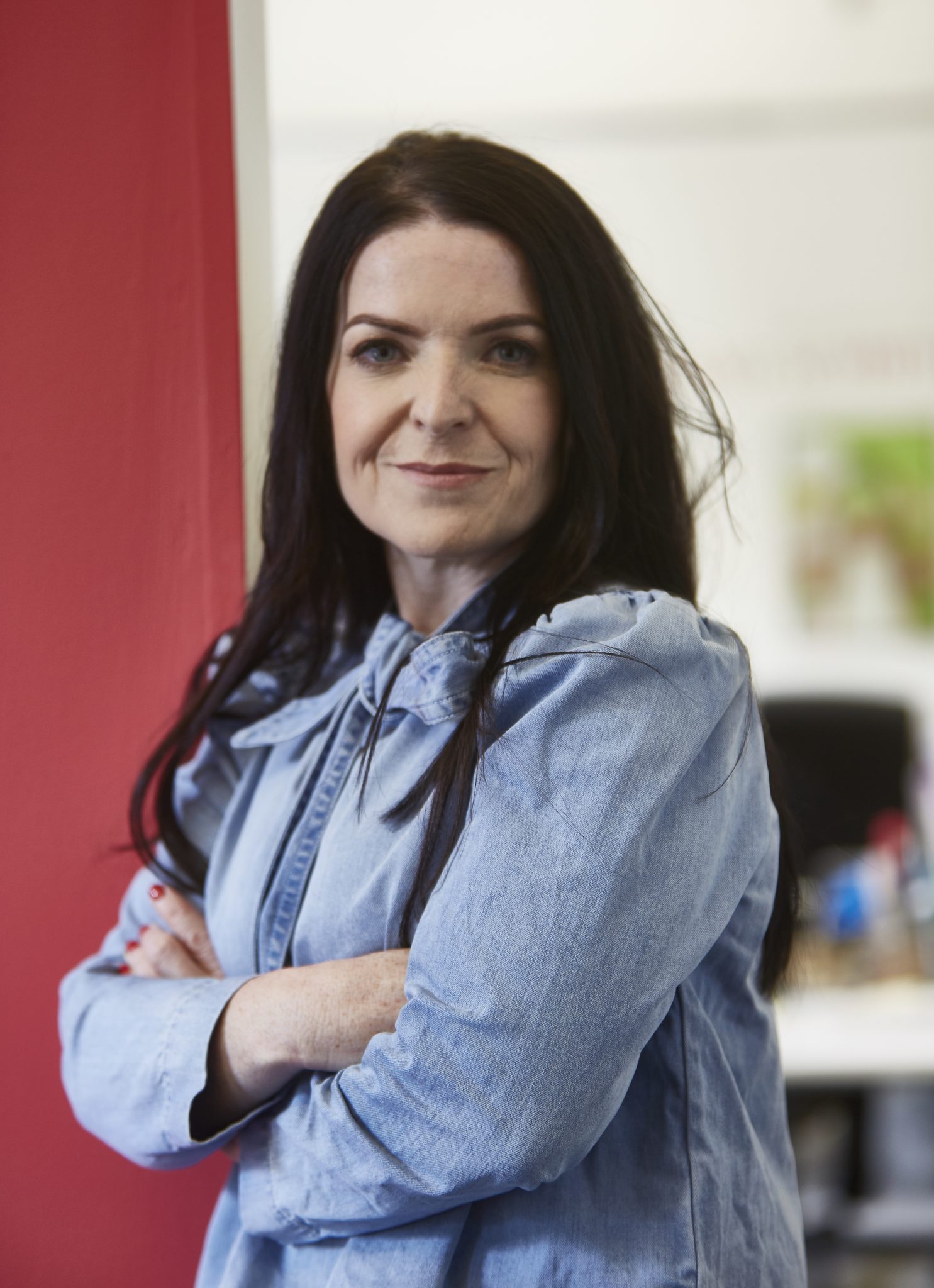
Todays Guest Rebecca McCann Founder of Pro blo group and sleep london, her mantra is say yes and make it happen and grabs every opportunity. Rebecca was inspired by her love of a blow-dry and a broken hair brush. With a vision to create a product range that was luxury yet affordable,
Currently, Problogroup is in its ninth year and has achieved global recognition, selling in over 850 different countries.
Rebecca decided to venture into a new business and launched Sleep London. Drawing from her experiences with Problo , she implemented the lessons learned and saw tremendous growth and success in a shorter period of time.
Just like its predecessor, Sleep London has also expanded globally, reaching customers from all around the world.
Rebecca’s achievements with her brands have inspired her to support and teach others how to replicate her success.
She has started tapping into her knowledge and expertise to guide and mentor aspiring entrepreneurs, sharing her proven strategies and methods. With a passion for helping others, Rebecca is determined to empower individuals to achieve their goals and create thriving businesses of their own.
In this episode we chat about
Starting Imperfectly and Evolving: Rebecca encourages aspiring entrepreneurs to just start and not wait for a perfect product or plan. She emphasises the value of getting feedback, making necessary changes along the way, and not spending years in pursuit of perfection.
We chat about 7 figure entrepreneur
Identifying Market Opportunities: Despite challenges in the UK market, Rebecca saw potential in the Middle East, where the supply chain was less affected. She successfully launched her brand, Sleep, targeting prestigious retailers like Bloomingdale’s and Sephora in the Middle East, and later expanded to the UK.
Embracing Manifestation with Action: Rebecca initially had doubts about manifestation but learned its power through a conversation with a spiritual friend. She realised that manifestation involves visualising goals and taking concrete action towards achieving them. Hard work is essential for manifestation to come to fruition.
Leveraging Opportunities and Branding: Rebecca’s business, initially aimed at selling on eBay, changed its trajectory when well-known figures like Cassie Lomas and Colleen Rooney expressed interest. This allowed her to focus on product branding and packaging, highlighting the importance of getting the product in front of the ideal customer consistently.
Rebecca Mccann
https://www.instagram.com/rebeccamccann___/
https://sales.rebeccamccann.com/sleigh-the-season/
Nicole Higgins
The Buyer and retail coach
Host Nicole Higgins
Nicole has worked as a buyer and head of buying for over 18 years for retailers such as Primark, M&S and Debenhams and now uses her expertise and knowledge to help entrepreneurs start and scale their product businesses and continues to work on projects with corporates to increase bottom line sales and profits.
She established her own business The Buyer And Retail Coach™ to help give entrepreneurs the confidence and knowledge to bring products to market. Her expertise covers many areas from product development to sourcing and strategy across multi-product categories
The Buyer and retail coach
Nicole Higgins Links
https://www.instagram.com/thebuyerandretailcoach
https://www.linkedin.com/in/nicolehigginsuk
https://thebuyerandretailcoach.com
https://thebuyerandretailcoach.com/newsletter-sign-up
https://thebuyerandretailcoach.com/free-discovery-call
https://thebuyerandretailcoach.com/blog
Find more episodes on the Start Scale Succeed podcast page.
Read the full episode transcript
Welcome to the Start Scale Succeed podcast, with me your host Nicole Higgins, the buyer and retail coach, sharing tips, advice and insight from entrepreneurs that have just launched to multi-million pound business owners. We will be discussing the challenges they faced, advice they would give and the milestones they achieved and how they got there. Also joining me will be a broad range of experts with some tips and practical how-to’s, episodes that will help your business grow and to enable you to live the life you crave. The types of experts that you’ll hear from will be those that you will find beneficial as you start and scale your business, from branding and social media experts to mindset coaches and PR marketing. There will also be solo episodes from me discussing a variety of topics from sourcing to maximising the profit in your business.
Say yes and make it happen is the mantra of this week’s guest, founder Rebecca McCann. And Rebecca is the founder of not just one business, but two successful businesses. Thanks very much for joining me today, Rebecca. Thank you for having me on. Now, you’ve got a Scouse accent, I’ve got an Irish accent.
People might need to adjust the settings to and slow down the speed, but we’ll see how we go. Like I said, you are the founder of two successful businesses. Can you give a snapshot of where you are now and what those businesses are? So I’ve got Probler Group, which I launched back in 2014 when I had no idea what I was doing. So to me, that was like the lessons, the mistakes, some really big wins, but it taught me everything.
And then that’s obviously we’re going into year nine now. And then I launched SleepLondon during Covid period with all of the lessons from Problo. I put into that brand and SleepLondon grew so much quicker with a lot more ease. And both of them are sold globally with over 150 different countries. That’s kind of where we are with the brands.
And I’ve started tapping into some more of my own kind of like supporting other people and teaching them how to kind of do the same thing I’ve done. And so explain to the listeners what Problo is and what SleepLondon is. So Problo is essentially, if you want to create a blow-dry at home, then Problo is the kit that you need. So I started Problo because I used to go and get blow-drys all the time. I’m from the Wirral, if you don’t know that.
Basically, Liverpool is my city. So go into the salon on a Saturday for blow-dry was honestly just the norm. Right. So I would go to the salon every Saturday and get a blow-dry. And then my hairbrush, my ceramic brush broke.
And so I was left with just the barrel part of the brush. So I would put that in front of my hair, which would essentially give me the same style a salon would give because it would leave the brushes intercooled, which is what locks in the kettle. So literally stumbled across this. I was like, this is genius. Like if I could make a replica, but loads of barrels and get them in front of people around the globe, like it would change the way women blow-dry their hair.
And so that’s what I kind of set out to do. And the goal was to put it onto eBay and to, you know, clear off my mortgage. Obviously, that never happened. You’re running Selfridges and lots of other stores. But that’s really where the idea originally came from.
And then as I got to, I started to understand how showing somebody a problem they have, are you going to the salon, you’re spending your time and your money that you don’t need to do. You can do it yourself at home. That kind of then became like the marketing push behind the brand. And so ProBlo went on to wet ranges and we have different barrels and sizes. But fundamentally, that product is called Kelmi, but no one even knows it’s called Kelmi because it’s just the brand name is ProBlo.
So professional blow-dry, in case anyone has just clipped into that bit of the podcast and they’re like, what is this? And then Sleep London is very different. Sleep London is a product that already exists in the market. It’s a silk pillowcase. We also do like your eye mask and your scrunchies and other kind of products within that range, but that came about during the COVID period when shipping into the UK was very, very different.
There was like a real problem with the infrastructure, with the ports and the delays in time. So that was almost like I had a bit more spare time on my hands. I wanted to do something different. So I went with the product that was already out in the market, but I did it at a highest quality and the best price point. So I could kind of come in in between like the top guys who were doing this really strong, great product, great brand.
They were incredible. But I didn’t want to compete against them. I wanted to kind of come in as the middle mark. And so I launched that brand straight into Harvey Nichols and Bloomingdale’s across the Middle East. That’s kind of where we are with them.
If you don’t mind me asking, what kind of turnover are you are you kind of covering now between both businesses? Yeah, so they’re both completely separate companies. So I mean, we’re told by I’m sure at some point, but when I launched Sleep, I kind of did it off of the back of ProBlo for that kind of trustability, but both separately, the multimillion pound turnover businesses. Amazing. And the profits on them as well, because I feel like everyone’s top up turnover, but it’s like it doesn’t really mean that much if you’re spending like if you’re 10 over a million, but you’re spending 900,000 to get there.
Like, you know, it’s so the profit on them both, they’re both upwards of like a 35% profit margin. So they’re both really strong performance. Yeah. And not always been the case. Well, and that’s what we’re going to talk about a bit as well.
It’s fantastic to hear where the businesses are now and where you are now yourself in terms of, you know, where the brand is, how you, you know, how you launched and scaled. And we’ll talk about the scaling of it as well. But you don’t have a product background or you didn’t have a product background. Tell us a little bit more about your story and how it came about. And would you say, you know, are you surrounded by entrepreneurs or is it was that all very alien to you?
I think when I look back now, so at the time when I started business, I was working just I’d started and I went to uni. Messed around, come out of uni, whether I quit or left. That’s another story. But didn’t finish my degree. And then I went and worked in the call center.
I worked for MBNA in Chester. The call center loved it. It was corporate. I kind of learned how the Americans do things. I was on the phones answering the credit card lines.
And then from there, I went to work on PPI contracting for a bank. And it was that job that I was in when I started ProBloat when I had that job for the first nine months of ProBloat. Like I actually took a day off to launch it in Selfridges. Like I maintain the two. But in terms of looking back, I was never really there.
It was that I wasn’t academic. I just didn’t really care enough to try. Like I love school, great friends. But I wasn’t really bothered about studying. Maybe if I had applied myself, I could have gone a different route.
But I just wasn’t interested. But I remember being and I spoke about this so many times. Like I remember being like 13 and I was still with my mum and seeing the Walkers Christian offer. And I remember thinking if I buy them and sell them, I can undercut the talk shop and make my money. All I wanted was to buy some cider for the weekend.
Like that’s as much as I wanted. But I remember having that that that thought. Mum lent me the money. I bought the crisps and I was like the most popular kid in the playground selling these crisps. And it wasn’t long before the school found out.
They banned me from taking my rucksack. And then I progressed to drumstick lollies so I could shove in my pockets and no one would know. And then after that, they were like, right, you can’t bring your school books anymore. So I then ended up big fringes with all the trend. So I used to charge a pound of fringe.
I’d get the scissors from the art block and cut this fringe in the playground and you could like upsell it for 50p if you wanted to have a blow dryer under the hand dryer. So when I look back, it’s like the mindset to me of being able to be successful in business is all about really when you like dumb it down almost. I just think it’s whatever you’re trying to achieve. There’s always going to become blocks in the way. And I think for me, it’s the real definition of entrepreneurship is like just finding a way to move around those blocks in the road.
So even at 13, when they said, no, you can’t do it, Chris. So I was like, OK, well, I’ll find this is another option. So I think I already had that kind of like almost just like I was just born that way. And then growing up, I wasn’t necessarily around entrepreneurs. So I was my dad was a businessman, but he’d had a rough childhood.
He didn’t really have any stability. And he started working and he worked really hard. And when I was in my late teenage years, he started to kind of get his muffins from that work. But for years and years and years, me and my brother would see him and the amount of pressure and stress he would put himself through to support his family. And it’s funny because me and my brother now both have companies and are very successful in our own right.
And I think I think it’s our work. I think I think for us are we go out and we get what we need to get done done. That’s just a natural thought to us. But I think it’s probably because we’ve grown up seeing what hard work can really look like. I think that’s probably where a lot of it comes from.
Do you think people start businesses expecting it to be easy? Oh, my God. Yeah, yeah, I do. I didn’t think about it because I wasn’t trying to start a business. I was just had this idea and it kind of come around.
And Instagram back then wasn’t like Instagram now. And I think the real problem now we have is this overnight success narrative where it’s just setting people up for a failure because people just are told constantly, you know, by this course, you know, make a million pounds in six months or, you know, it’s not the case. It takes time and you it takes losing money sometimes to win money. And it’s not always going to work. And I think because of this mindset and this narrative that’s being pushed online, people believe it’s easy.
So when they start and they struggle, it’s almost like they feel that they’re the only ones struggling because no one else is talking about it. So then they quit because they think, well, no one else is having these problems. And it’s like everyone’s having these problems. It’s just that they don’t share it. Yeah.
So if you understand that, it’s like it’s really hard. You know, I’m nine years in and there’s still moments I think like, oh, my God, how am I going to figure this one out? Like, it doesn’t just go away. And so yeah, I think that’s it’s a problem. Do you thrive off that, though?
You know, I don’t mean to thrive, but you know, when you, you know, the shit hits the fan, but you come through it. And like you say, that you will have had things that have happened in your businesses and you’re like, where the hell do I get you this one? And like I said, you know, at the beginning, you’re a mantra of, yes, and make it happen or it probably right. Let’s keep on going and find that resilience. If it’s not Walker’s Chris will seldom.
Yeah, I will always. And here puts in and everything else. You know, do you think that it’s that do you enjoy the rollercoaster? I don’t think I’ve never not had it since. So I don’t know the difference.
I think it’s just part and parcel. Yeah. And I think it doesn’t always have to be a major problem. Like, it doesn’t have to be something that’s like crippling or like, you know, we’ve had court cases. We’ve come there’s been times and I’ve thought maybe we should just fold like in the past.
It doesn’t always have to be as major as that. It can just be small things that can come in and just think like, oh, this is just one too many today to David. I just think it just becomes the norm. Yeah, I just don’t think you think it’s just part and parcel of like it’s like that graph, isn’t it? You see like up and downs, up and downs, and it’s true.
But I don’t I think as time goes on, that’s just normal. You don’t really think about it as up and down. It’s just like part of what it is, I guess. Do you think you have to have a certain kind of temperament, though, to deal with that up and down in terms of that levels of stress and that level, that kind of problem. So like we were talking about, if people think it’s easy or I think sometimes characteristics of people who have their own business.
And if you don’t have that, it then becomes harder again, I think. Oh, yeah, I think everyone’s like to help you through it. Yeah. And I also think everyone’s built to just handle different levels of stress. And I think when like I think your resilience builds that you what I can handle today probably could have pushed me four years ago.
Right. Oh, and I hope in four years time what bothers me today doesn’t in four years time. But I think your resilience can definitely grow. But I think the work ethic, like the level of work and the consistency and the fact that there’s nobody telling you to do it. Like if something happens and I mean, you know, you’ve got to have balance, you’ve got to live as well.
But if something happens and you need to go all in on a Saturday night, there’s nobody to tell you to do it. You’ve got to have that be like, no, like this is serious. I need to get stuck into this and get this work done. And I think that is a characteristic in you. And I don’t know how much you can like instill on somebody who isn’t that way.
Oh, yeah, I have to. And I think as well, it’s if you don’t have that passion or that love for the idea and you might you might not think, you know, you might not really resonate with the products. And I mean, you obviously what you’re from the real and the program really solving a problem for you personally as well. But I think if you don’t have the passion for it, you’re not going to do it on a Saturday night. And I think it’s a, you know, for people that are starting off, that’s what has to be when you really don’t want to do it.
And no one’s paying you to do it. You’re going to want to have to do it. You know, you’re going to all like, why? Like why are you doing this? I started because I wanted to make money and people don’t like to admit that.
They think it’s like a bit crass, but that’s why I started. I wanted to get my mortgage. It was all about making money for me. And then after a little while, it became more about freedom. And then in that growing phase for like six years, freedom was gone.
Like you would just change a computer for years, you know. And so then it was like, I want my freedom back. And so I was never necessarily passionate about the product. And it was never really personal to me. But the time and the work and the effort that I was putting in was.
Yeah. And the reward was. Yeah. And I think now that I’m doing the, you know, I’m doing more stuff with like other business owners and that kind of thing. I’m really passionate about that.
And now I’m like, oh, I understand when people say when you’re passionate about what you’re doing, because I was passionate about the why for my product businesses. But with my like work that I’m doing now, I’m really passionate about just the level of honesty and support. So I can I can see why if you have the why and you’re super passionate about the product, like you’re going to stay on that Saturday night and get shit done. You know. Yeah.
And let’s let’s go to Problow on that journey then in terms of how it started. And you mentioned you launched in Selfridges really early on. How did that happen? So I started Problow originally as Mum’s Kitchen. And then I was getting ready to launch.
And my plan was always, like I said, to manufacture my product, put it on eBay to make some more money that that was it. And I started like becoming obsessed with like reaching out to people, trying to talk to people, trying to kind of get my foot into different doorways. And I was introduced. Well, I was meant to be mentioned about Cassie Lomass in Manchester, who still now she’s huge in the hair and makeup industry. She has an academy.
She travels. She does all like the big A list is the red carpet. She’s always in L. A. and all these things.
And so she’s really great at what she does. And she has contact to so many people. And so somebody mentioned her to me. So I sent her a DM on Instagram was like, I’d love to see you. And she just said, yeah, if you want to come down five minutes, you can.
So I went to see her in Manchester. And I remember being sat outside the studio and I only had the sample and the clips of bright yellow. So I’m coloring in these clips with this like black felt tip pen. Right. And so I went to see it and straight away she didn’t know me.
She had no loyalty to me. She was like, I get it. This is going to make my job so much easier. Like, I get this product. And so she said, can I keep the sample?
I’m doing Little Woods tomorrow. I’ve got Colleen Mooney. And I mean, this is going back when you didn’t pay to respond post in 2014. It was very different social media back then. So I said, yeah, of course, you can keep it.
I mean, now I’d be like, no, you cannot because the clips are going to melt. I was like, yeah, of course, you can keep it. Anyway, she got a text the next day and she’s like, I’m on set. It’s going really well. Everyone’s on the product.
And then later that week, I mean, we didn’t even use Twitter as a brand now, but back then Twitter was kind of like the number one platform for pushing traffic. So my phone pinged. I remember me sat at a diner in my mum’s house and it was this tweet. And it was Colleen just tweeting, saying like, use these products are amazing. It’s actually quite sad because I was, I remember jumping up and squealing because it was a different world to what I was in.
And now we have like the Kardashians or we have really big names. You never get the hype. Like now, if you see something come through, it’s like send it into the team. They’ll pick it up. But that was like the very first time.
And my phone was like, it was so many comments of women being like, where can I get it? Where can I get it? Where can I get it? Oh, my. And I was like, oh, my God, I knew it.
They people get it like now they’ve seen it. They get it. So at that point, I changed the entire like trajectory of the business. I was like, right. I’m not going to eBay.
Yeah, I’m going to really look at how to do this. And I put packaging in place. I remember going to see somebody to ask them to do a logo. And he was like, so what’s the brand? I was like, it’s just a hairbrush.
It’s pink. And he was like, no, but what does it sound like? What does it speak? Who is it’s voice? And I was like, it’s a hairbrush.
Like, what are you talking about? And so it was a lot of learning involved. And then I launched. And then I just honestly, and even now, like I say to anyone who’s starting a business, yes, you have to focus on X, Y and Z. But fundamentally, like every single day, if you have a product business, just focus on getting that product in front of your ideal customer and everything else you can figure out, because that’s just like for me, if you just, and that’s all I did for two years, to the point where my accountants were like, we need to see your accounts.
I just had this like bag of, I had done nothing. All I cared about was getting this product in front of people. That was it. And I think if you go back to basics and you focus on that, then you can’t go wrong. And so three months in, they were still working on this, like basically like no electricity.
And we got a message into Instagram asking for a phone number, gave my mobile, my mobile rang. And it’s a corner from Selfridges. We’d like to have a chat with you. And they’re like, oh, yeah, whatever. No, I think it’s my friends on the phone.
I’m busy. I haven’t got time for this. I was still working my job. So I’d move my job. You were still in the call center as well at the same time.
Yeah, I was in the bank. So I’d moved my job. So I was doing manager role then. So I’ve moved to do the night shift, which is 2 a. m.
No, 2 p. m. till midnight. So I’d wake up at five. I’d do pack the orders, do the customer service, do the social media, do the business.
And then I didn’t even have a printing machine. I’d handwrite all the addresses on these labels, load my car and on my way to my work, my job, I’d go to the post office, post all the orders out, and then I’d go and do my job. And then I’d finish my job at midnight, get home, do my work. So when you look back, it was crazy. Like it was just I don’t remember a lot of the first 18 months.
But I think that’s the level of commitment you’ve got to put in if you want to really make something work. And so when Selfridges then brought me back and they were like, no, it actually is Selfridges. Like, can you come down to Trafford store and see us? And I’m like, oh, it’s not doing Selfridges. So then I went to see them and then we launched into their store.
And then obviously off the back of that, like we grew very quickly into like Harvey Nichols and we did trade into Sally’s and style on services. We did like your ASOS, a lot of your fast fashions, your boohoo, pretty little thing. Very Sainsbury’s. Then we went into retail for the Middle East. So like your Bloomingdale’s over there, Sephora.
Then we went into stores in the US. And it kind of piggybacked off of that. But the very, very first one was Selfridges. And you mentioned before we started recording that you’re starting to pull back a little bit the whole sell side of things. Explain your reasoning behind that.
So when I started ProBlob, I had no mentor, no business plan, no idea what I was doing. Like I was just obsessed with getting my spot in front of people. And so that mantra that say yes, make it happen. I still stand by it. But I also think we need like a little ad lib, like sometimes say no, because I think when I started and these opportunities are coming in the door, you don’t want to say no, because is that fear of like if I say no, they won’t come back when actually now I tell people if it doesn’t suit your business right now, say no, because if they want you today, they’re going to want you in 12 months time.
But, you know, 26 year old me who had no experience when these opportunities came in, I was like saying yes to everything. But like busting my balls to make this all happen. And actually, you call me that can end up in a hamster wheel because the product is your marketing this product. The product sales are coming to your recomb. They’re going to retailers.
You haven’t necessarily made some of the best deals in terms of margins and agreements and rebates and things like that. And so you end up on a slight bit of a hamster wheel. And then because ProBlob is a product that’s very much us, there’s not mass market doing it. There’s a couple of people who’ve done it and tried to copy it, but it hasn’t really taken off the way that we have. If people see it, they will come to us to buy it because we are the brand behind the product.
So we started the business, we went into lots of retail. And then about two years before, so about twenty seven, twenty nineteen, twenty eighteen, twenty nineteen, I wanted to start to get some more control in the business because I felt like we’d just grown so quickly. The infrastructure behind the scenes wasn’t what it should have been because I started with nothing. Had this mass, like this obsession with getting the product seen, had all these sales, gone into all these stores. But until you look at it from like a bird’s eye, you actually stop and you look at a bird’s eye view and you’re like, this operation is a mess.
Like we’re bleeding cash here, which we don’t need to spend it because we don’t need we can cut that part of the business out. We’re not making a margin here, but we’re releasing X amount of units here. Like so everything just had to kind of be looked at from a bird’s eye view with the knowledge that I’d had over that five year period and kind of make some change. And one of the things I wanted to do for Provo was to bring some of our e-commerce store site back up in terms of revenue. One, because obviously you get the profit on there.
And two, because we had that control, which actually served us really well, because that happened before we went into the lockdown with all the issues. It was nothing to do with that because that was after. But that’s kind of where that change came. And we still worked a lot of retailers, still worked a lot of distributors, but we also have a really healthy margin on our own e-commerce site as well. So I think I think it’s different for every brand.
I think it’s kind of figuring out what works for you and getting that balance right. Yeah, I was about to say, it’s absolutely the balance, isn’t it? Because you still might want that exposure. It still might be easier for you to use a distributor for a certain region or whatever than you having to have a fulfillment center in that country or whatever it might be. And it’s just weighing it all up.
So bottom line, it works and makes sense. Yeah, like you say, being on that hamster wheel and going, hang on a second. We’re turning over millions. Well, it’s a cash flow impact as well. But you know, you know yourself, most retail is going to pay you like 30, 60 or 90 days.
So, you know, if you manufacture like we do out in China or, you know, if you’re manufacturing abroad, if you have 30 days on a manufacturer line, 30 to 40 days on a ship to come to you, you hold it in your warehouse, you sell it on, you wait 60, 90 days, 90 days and a month even, so you could be waiting like 120 days. The buyers pay late. A lot of the time, retailers can pay late. You’re then, you know, you’ve got like an eight, nine month window and you’re trying to scale this business. And if all your revenue is coming in from retail, it’s like what’s putting that cash in today to keep this, keep the lines going on the production, to keep the production lines going.
So I think it really just depends on there’s a lot of, you know, I’ve got another brand of sleep that is predominantly retail. So it depends on the business. But for us, I just wanted to kind of get a lot of that control back into your comp. So, yeah. And I think, like you said about your payment terms and that kind of thing, you’ve got rebates that you might have to do.
And or if and what some of you may not know about if they’re if they’re not in that yet is, you know, if you have to do nominated deliveries or specific time slots and if you’re late, then they want a discount or if you’ve got any, you know, there’s lots of nuances. Yeah. And these are things people don’t know. And so it’s like if they want, if their staff have discount, then those discounts have to be equipped by the brand as well. If they only allow an hour time slot, then if you’re a small, independent brand, an open times off today is great.
You can DPD if it’s an hour slot and they’re taking a small volume, you’re going to have to pay for that’s an extra cost. And then it’s things like your marketing rebate you mentioned. And then you also have like, well, we expect we’re going to do this kind of turnover if we do X, we want like a 2. 5% discount or they’ll offer you early payment for a discounted rate. And then you’ll take it because you need the cash, but then you’re actually losing 2%, which doesn’t sound a lot, but over a lot of volume over a period of years, it adds up.
And so I think a lot of the initial deals that I agreed to, I mean, this is not a range of retail, so I really have got a great relationship to a lot of the buyers. But I think a lot of things I agreed to wouldn’t I haven’t and wouldn’t agree to now, but that’s just through learning. What would be your, for those people listening that might be about to have those conversations with retail, what would be the questions that you would be like, right, you definitely have to ask these. Don’t leave that meeting without knowing X, Y, Zed. I think first of all, it’s a real understanding of all the financial requirements and not just the margin, but also discount because you’ll just take a quick payment, you’ll go great, that’s great.
But like, what does that cost you? And no one does anything for nothing. So a real understanding of everything that’s expected of you as the brand. So that could be like, if they want, if you have a product like a Problow and you’re in like hobby next day, they might want you two days a year to go into store and to demonstrate what is the expectation of you. And also it will be a case a lot of times, like this is the contract, but if we get to X, then we’ll review and it’s like, no, if we get to X, what does that look like?
Because you don’t want to commit today, get to that point where you think it’s a sweet spot, but actually when you get there, the requirements of you financially increase and therefore you’re then in a different situation. So I would really, first of all, it’s a real understanding of all of the requirements for you financially and time as well. And then secondly, and understanding like, when you go into retail for the first time, you see the emails coming out, you see the new in-pages on the websites, you see all this, but that doesn’t necessarily mean you’re going to get that. So what does your launch look like? Because if you launch a product, say Problow for example, if Problow goes and sits on the Huck Group’s website and we’ve worked for a long time, they’re a great brand to work with.
If you are driving traffic to that site, fine, but like, they’re not going to put you on a home banner. They’re not going to put you in a mail shop. They’re not going to put you on their social media. There is a cost to all of that. And I think as you go into retail new, you automatically expect that you’re going to be top of the new in-pages.
You’re going to get all these things, but you’re not. So again, understanding what the launch is really going to look like. And also I think thirdly, and hands up this is where I probably messed up in my very beginning days, was being completely transparent. Like when they ask if you can do something and you say yes, because you want that contract, you’re just screwing yourself down the line. Like being honest and a lot of the time, it’s not, they’re not going to move forward.
They might just do it in a slightly different way. So for example, when Selfie just speaks to me on the phone that day, and they say, I said, what’s kind of the volume you’re looking at? And she said, oh, we’d probably start with 10,000. I’m like, yeah, yeah, of course, no problem. I’m thinking 10,000 units, right?
So I’m like, yeah, of course, no problem, because I don’t want to look silly. I don’t want to look like I don’t know what I’m doing, even though I didn’t. Put the phone down, haven’t I agreed to go with 10,000 units? I’m like doing my not like, I cannot manufacture and get this volume, only to then realize that she means 10,000 pounds of sales, like as a consumer gross price here, not like units, which is a completely different. So if I had just asked the question, then we wouldn’t have had that issue.
Or like, I remember reading the goods in, in this goods in document that you get when you launch. And it’s all their rules and regulations of what they require from you. It’s about barcoding now. Of course, now, if you launch Prology, automatic barcode on the print of the packaging, but I didn’t know this. So I rang on my printer and I was like, can you do with some barcode stickers to add on buckets?
And he’s like, yeah, what’s the number? I’m like, one, seven, six, five, but it’s like blocking these numbers out of thin air. He’s like, is this on the register? I’m like, yeah, yeah, it’s fine. And then what happens is I have to go into Selfridges warehouse like a fool and re-sticker all the boxes because I hadn’t asked the question.
So if it was me, I’d be like, number one, really understand what the financial and time expectations are now. And as you grow with them, number two, really understand like what launch expectation is and what you’re going to get in response for that. And three, like, just do not commit to anything that you don’t think you can and ask the questions you don’t know because no one’s going to judge you for that. They’re going to judge you if you’re me and you have to walk in and re-sticker in the back of the new Arthur and St. Traverson store.
I think it definitely looks like that don’t over-promise because, you know, you’re better off being really, like you say, really transparent or something like this. Or, you know, you could have been placed in an order with your factory for 10,000 units without realizing, oh, actually… I was selling the liver. Yeah, you know, without actually going, actually know that it’s the retail value she’s talking about. So, you know, and then, so how did sleep?
So ProBloat is doing really well. Everything’s, you’re probably getting to quite a comfortable position with it. It’s ticking over, COVID hits. Did you have the idea for it before lockdown or? When lockdown hit, you were like, right, okay, there’s an opportunity.
Well, lockdown hit and the week before lockdown, we’d just completely crushed my house. I bought a house to renovate so my house had been completely crushed. So I’ve moved into my parents. We then realized when the lockdown, we don’t have to build as compared. I’m like, oh my gosh, how long did I stay in this situation for?
And I felt like I had more time on my hands. In hindsight, I should have just chilled out for a bit, but it’s fine. So I decided I wanted to do something but I didn’t know what to do. And so at the time, the infrastructure in the UK for shipping was a nightmare. So raw materials in factories globally were really hard to come by.
So that was adding lead time on. Then manufacture time in factories was like two, three times the manufacture time because it was so slow. People were like, factories were shut down every time there was a break out, they’d shut down the factories in that province. And so the factory manufacture time was a nightmare. Then when it come to shipping it, that was a longer process than normal.
It was way more expensive. So for me to ship say 3,000 units every couple of days from China to us, 3,000 units from my factory is gonna cost me less than 1,500 pound. In lockdown, that same volume of units is gonna cost me eight grand. And that’s money that we didn’t get back. We just had to lose that.
That had to come off the margin of every single item. So in hindsight, it’s a great thing that we came out of retail and went pushed our e-com a lot more because that margin can be swallowed. But there are a lot of the problems that everyone faced in the supply chain. So I was looking at something I could do that wasn’t gonna necessarily be impacted by this really problematic situation we were in with shipping. And then the biggest part of the supply chain problem is when the goods came to the UK, because of the lockdown rules here, there was nobody at port working.
There’s very limited numbers of skeleton staff. So your container on the ship would come into the UK and then you would literally get an email. It’s like, it’s been bounced off to Germany for storage because we can’t unload it here. So then all your stuff just sat in containers all around Europe because there’s nobody in the UK to unload the container. And then when it finally does get unloaded, there’s no drivers to drive it because they have them on strike.
So it was just a nightmare. But the Middle East, the first one was in Qatar that I launched initially. They just had it nailed like they do out there. They get into things really quickly and they build like a new infrastructure to work. So they never had a problem with shipping into the Middle East even when COVID is at its peak.
So I said, okay, there’s a window opportunity here because I can get, so I can manage, I can create a brand and I can get stock into the Middle East without the headache and the problems that I’m gonna have getting into the UK. So I started to create sleep. I remember I was on my mom’s couch designing the packaging. And my mom said, why are you calling it London? Why not sleep Liverpool?
And I was like, it doesn’t work. It’s the same ring. And also I know that London is very prestigious in the Middle East and I was like, I can see this to me. It’s gonna be sat on a shelf. I didn’t know at the time, but I was like, I visualized this being sat on a shelf in Harvey Nichols, like in the Middle East, in the malls in Dubai.
Like it has to speak to that consumer. And that’s what I designed as that. So I got to it and then I launched it straight into on launch. We went into Bloomingdale, Sephora and Harvey Nichols in Qatar, in Azerbaijan, in the UAE and in Kuwait and in Bahrain. So we launched straight into all those retailers there.
And then once our channels opened up here, we then brought it into the UK as well. But predominantly it was in the Middle East purely because of one, the product is exactly what they love out there. But two, I did it based on the fact that I could get it there during lockdown. And in terms of contacts and getting it stocked in those retailers, were they contacts that you had from ProBlo or did you use distributors for that side of things? No, so I went direct to the retailers for that.
So when I bought it into the UK, a lot of the UK launchers come off the back of my contacts here already. But when I launched it into the Middle East, it was purely like cold. There was no contact there. It wasn’t just me with the buyers. So I just reached out to the buyers.
Obviously, I utilized the fact that I had a proven track record that I could create a brand launch and it could be a successful consumer product because I could use ProBlo on the back of that. But obviously as it’s grown, I’ve used my contacts to grow further. But initially it was just direct outreach to them. What else can you share that you’ve got on your agenda in terms of where do you want, is there another brand in here do you think, or what else? So I did another brand when ProBlo was about three years in.
It was called Snatch Cosmetics and I sold it. I only did it for like six months. I was literally at a trade show and I seen these like Silicone blenders. I don’t know if you saw them a few years ago. Everyone was using these blenders.
I was like, no one had done them here yet. Everyone was doing them in the UK, US. No one was really doing them here. So I did it on the back of a piece of paper at a trade show and created this thing called a Snatch Cosmetics. And then my friend I was with, we were sat in a hotel room in China and we just basically created the whole thing and we launched that together.
And we shifted so many of them through retailers and then we sold that on. But that was very different. That was a quick, there’s a market there. Like let’s do something. But yeah, I mean, I do, I love, I love from idea to design to launch to about 12 months in.
I love that phase. Once it’s up and it’s running and it’s established and it’s like churning. I mean, I enjoy it, but I don’t love it. Like I love the design to launch kind of thing. Yeah.
I love creating brands. I love sitting down and developing, like having an idea. I wouldn’t say I’m necessarily creative as in like artistic. I have the ideas and I can like talk to somebody to do them. I can’t draw the pen and paper.
Like I can’t draw a stick person. But I love when you start on like a blank canvas, this concept, and then you design, you develop your brand and then you get to walk into store and see it. And it’s like, we did that. I think that’s such a great journey to be part of. And what would you say for people that want to start their own business, what would be your top tips for that starting out?
I think I’d say solve a problem first and foremost, because that’s gonna make it a whole lot easier to market. So whatever the product is that you’re thinking, it’s like what problems it’s solving. And a lot of the time it’s a problem people don’t really have. Like I’m sure you would, I would go and get a blow dry. It was never a problem.
Until all of a sudden somebody’s telling me, why are you spending money every weekend? Why are you taking the time away from your family when you can just do it yourself? So I think if you have a product that solves a problem, then I think you’re already like one step into it. I think just start. I think like you can really over-complicate it.
And I don’t say that in a, it’s simple and easy kind of way. Like it’s gonna be hard. It’s supposed to be hard. But I think we can, I speak to people who spend years and years trying to get the perfect product. Like Probo was far from perfect for the first 24 months.
Sleep London product was pretty much perfect in the get-go. Packaging wasn’t. I rebranded the packaging six months in. She made tweaks and changes. Like you never start saying, isn’t there’s like, if you launch perfect, you’ve launched too late.
And it’s like, just start. Like just get the best version of what you’ve got now. Get it out there. Get the feedback. So can everything.
Cause people are gonna tell you what they think. And then make your changes. You go, don’t spend two, three, four years trying to get this perfect product and get it into market because it’s just, it’s not gonna work. I think just start. It’s like something people need to understand to start.
And when you were starting out, in terms of those initial costs, what kind of investment did you have to put in to say Probo when you were starting out? So I put 20,000 in to begin with the initial stock when I had savings. So I decided to not pay off my mortgage, use that to try and run a bit, generate more money. So it’s just shy of 20,000 over a period of like weeks and months that I put in. And then obviously as the company starts to grow, that’s really, because we started with e-commerce, you’re getting money in quickly.
So if you’re starting a brand today and you push your e-commerce, even if you offer like plan a clear pay, buy now, pay later, these things will take a little bit more time for the money to drop. You’re still gonna get the money in like maximum 10 working days. So if you can get your e-commerce strong from the get-go or focus on building that initially, that can drive cash into the business. And that then can feed you to then go and get more and build more stock and then reinvest. And so I didn’t take a salary or any real money from the business for the first like four years, which I think shocks a lot of people.
But it’s like, we have to keep putting it back in and back in and back in and back in. And as much as you want like the luxuries and these things, it’s like with a product business, it’s very different to like, when you see people now selling like online courses and things like that, product is very different because you have to physically make that physical transaction of a product. So you’ve got to have the cash. So I think one way for me is like, start on e-commerce, offer a pre-order option to begin with. So you can build up like the month before you launch and start getting sales in.
And if you’re getting that money in before you launch, you can be placing your next order before you’ve actually hit the launch button to kind of allow that pre-order to help sustain you. And then when we went into retail, we used Invoice Financing. So because we’ve been in retail, we went with like having a call Selfridges, like top retailers. When you do that, I don’t really like to talk, it’s not financial advice, because I’m not like obviously eligible to give it. But there’s three, what’s it called, Invoice Financing, where the bank or the financer, whoever it is, they will bridge that gap for you.
So like, if you have like an invoice. They call it letter of credit. We used to do it when I was a buyer and we’d have, we didn’t really do those terms anymore. It’s kind of like, once they see the order, they’ll basically, they know you’ve got that order coming. Yeah, so the buyers don’t even really necessarily know that you have it in place.
And it wouldn’t be a problem if they did. But essentially, if I get an order in, we would raise it to our invoice supplier and they would give us 80% of that money upfront today once it’s been delivered. And then we would get the other 20% once the retailers pay us. So that then closes that gap of waiting on money to come in. So there’s things out there that you can use.
But again, they’re not gonna offer you that if you’re working with like a shop on the corner, they obviously credit check the stores you work. But if you’re going into mainstream retail, you can do that. So I would say focus first on getting a pre-order in place, getting your e-com sales in because that’s the ring cash in the bank and then go into retail, but just do it gradually. And just even if you go into your first retail and you say to them, look, I’m really in this, I wanna grow the revenue, I wanna build the volume. But realistically, we’re looking at this kind of cap for the first six months.
If you’re honest and transparent about it, I don’t think it’s gonna be a problem. And how, so you have developed another string to your bow in terms of my business point of view. Developing. So how can people work with you from a business advice point of view? So this came about because I was on TikTok and it came about because I was so frustrated with seeing, I get spam posts all the time, people telling me that if I just give them this like 95 pound, they can create me a really strong revenue.
And I’m like, how are you gonna do that? Like what credentials do you have to back that up? Because I can’t promise anyone that I will get their product on Shelton Selfridges because this comes down to the product, the marketplace, like what your margin is. It comes down to so many things. So how can you promise that to somebody?
One, if you’ve never done it, and two, you just can’t. So that’s kind of where it came about. So I started posting these videos on TikTok, like my frustration about like this overnight success narrative and things. And then people were saying, can we work with you? So I started offering like one-to-one kind of calls, people wanted to do that.
And then obviously posting more on my social and just being a bit more, because I’m quite a private person in a lot of ways, but just being a bit more open around like what I’ve done and how I’ve done it. And so I’m putting content out like most days to share that, offering the one-to-one. And then also like if people want to get into retail, I’ve shared my brand deck, the exact deck that I use. And I talk you through that and I share that with you and all of my links and everything that I, all of the information we spoke about, things I wish I knew, questions to ask, I put all of that together. And people can grab that off my website, which is RebeccaMcCann.
com and my Instagram. We’ll include the links to those in the show notes as well. But thank you so much for joining me today. Rebecca, it’s been lovely to chat and hear the story. What’s next do you think then for PloBo and Sleep?
Where would you like to see them growing? So Sleep, I want to see on an aeroplane and I can say that because we’re so close as a duty-free and an in-air product, because it’s just perfect, especially coming out from the lease on one of the airlines. So that is very close to going live. So that’s what I wanted in the very get-go of that brand. So I’m really excited for that.
And then for PloBo, we’ve got our wetline launch, relaunching next year, which is all made in the UK. So I’m really excited to get that out there. And I feel like we’re coming next year, it’s year 10. And I feel like I’ve just, I’m in that position where I can really enjoy it and really, I feel like you love it at the beginning and then you go through some really hard times and struggles and then you come back out the other end, you’re like, oh, this is why it was worth it. And I feel like that’s where I am now, like I really get to enjoy it.
I don’t know, who knows, maybe some more brands. Definitely. One question, because I think it’s come up a couple of times in terms of how clear you’ve been on what you want from a vision point of view. And you were like, right, I can see this on the shops in the Middle East. This is, I want to get it on the airplanes.
And do you, is that something that you consciously do in terms of either a visualization technique or not technique, but you know what I mean? What I’m trying to understand. Yeah, so it’s a strange one. I would always see people talk about manifestation and high-fiving me and all these things. And I love Mel Robbins, that sounds like a good thing, I love it.
But I kept seeing people talk about these things online. I’m like, surely you don’t believe you just clap and these things happen for you, like you have to do the work. So I used to be like, oh, it’s a little rubbish, whatever. And then I was speaking to my friend Laura, who’s very spiritual, very into manifestation, visualization, all these things. And I was saying to her, we had a few glasses of wine a couple of years ago and I was like, well, no, Lord, because when I launched Sleep, I was designing the name, because I knew it was going to launch into Harvey Nichols.
And I said to her, if you go in the notes on my phone, I have notes, there’s a note from 2016, that’s a caption that I’ll write the day I sell ProBlow. And I just did these things without even realizing what I was doing. That sounds really weird, but I have captions for all these things. I probably never post, I don’t share a lot online personally anyway, that are going to happen. And then when I go to bed at night, whatever I’m working on, when I was preparing to launch Sleep London, before I’d even put it into production, I would visualize me stepping off a plane, walking through the mall in Dubai, walking into a store and seeing my product.
When I say visualize, I could physically see me in my mind doing that. And she was like, you do realize you manifested it all. And I said, no, Laura, I’ve done the work. Don’t take my work away from me. I work, French is like back.
Manifestation is like, you have the idea, then you visualize it, then you do the action, which is the work. And then it happens. And I’m like, oh, well, no one’s ever told me about the action set before. And so when she said that, I was like, this is so clear to me. I absolutely have manifested everything in my life.
Even to my house, I built my dream home. And I would visualize me, before I even bought the house to knock down to rebuild, turning the key in my door and putting my country music on and putting it on. And I’ve seen me doing these things. And I never knew that’s what manifestation was. And when she explains to me that no, the action is the main piece.
I’m like, no one talks about that. I didn’t know that people spoke about this. And so absolutely, I really believe I have absolutely manifested everything in my life. But that comes with a lot of work. And I think it’s that piece that people sometimes don’t talk about online.
I just miss that. And I think as well, it’s definitely, I think you think it, you’ve got to believe it. 100%. You’ve got to act and then you’re gonna achieve. Until you have the thought, the belief, the action, you’re not gonna do it.
I think that you’ve got some people who start businesses, but they don’t have that real belief that this could be a success. And then they don’t wanna show up because they feel uncomfortable showing up. And they don’t need to show up. They can either pay someone to show up and do it and stuff. But I really think that if you’re gonna start a business, you have to believe, and you cannot listen to the naysayers.
What are you doing that for? Because there will always be people who put you down or that’s not a good idea or whatever. And you’ve got to have that 100% belief. Because if you don’t believe in it, then the buyer is not gonna believe in it. And they’ll get that vibe.
You know what I mean? If you’re having a meeting and you’re like, oh yeah, this is just this little thing that we did. You’ve got to be all guns blazing. What is it? Is that expression balls out?
I don’t know. Yeah. And also you’ll put yourself in situations that maybe, well, at that point, you’re probably not qualified to be in, but you don’t care because you know you’re gonna be. And so I think that’s what helps you grow. And even when I was working at the call center and I was doing pro, I had no idea what I was doing.
If you could write on a piece of paper who shouldn’t start a business with a little knowledge, it was me, right? But even then, there was nobody could have told me that I wasn’t gonna make it work. I didn’t know how I was gonna make it work. Even when I started doing the consultancy, I didn’t even call myself coach, the share in the business side of things. I didn’t know how I was ever gonna turn into a real business, but I knew I would figure it out.
And I think you’ve got to have, whatever it is you’re doing, you have to believe that one, it’s gonna work, and two, you are so capable of being the person to make it work. Because I think anyone, if they’re willing to work really hard, if you’re willing to show up and be super consistent and you really believe in your ability, then I think anyone, anyone, anyone can go out and do it. And we’ll finish on that. And thank you so much, Rebecca, for joining me. Like I said, the show notes and links to all Rebecca’s details will be there for you to have a look at.
I will be back again with another great guest next week. Thank you very much, Rebecca. Thank you. Thank you for listening to this week’s episode of Start Scale Succeed. If you’ve enjoyed today, I would love for you to leave a review and I will see you again next week.
If you’d like to hear more from me, your host, Nicole Higgins, you can follow me on Instagram at The Bar and Retail Coach. Check out my website, www. thebarandretailcoach. com or find me on LinkedIn. All the links are below in the show notes.
And don’t forget to subscribe to my newsletter, The Step, for lots of helpful tips and advice.
This transcript was generated automatically and may contain small errors.