In this episode
- A workshop-style guide to setting business goals in three parts: reflect, review and plan
- Reflect on what worked personally and professionally last year
- Turn goals into clear, actionable steps you can actually achieve
Setting Goals for Success
On this episode of Start Scale Succeed, Nicole Higgins, The Buyer and Retail Coach, talks about setting goals. As a result, you will come away with practical tips for your own product business. So, press play above or read on for the key points.
We chat about setting goals
Goals aren’t just for January.
In this workshop style episode host Nicole Higgins takes listeners through a comprehensive guide on setting strategic business goals for future success. Drawing from her extensive experience in corporate strategy and entrepreneurship, Nicole outlines the importance of setting goals and the actionable steps necessary to achieve them.
Split into 3 parts Reflections, Review and Plan
Reflection
– Nicole encourages listeners to reflect on their experiences in 2023, both personally and professionally.
– Listeners are prompted to think about what worked, what didn’t work, and how they felt throughout the year.
– A focus on professional growth, personal well-being, and business performance is central to this reflection.
Review
A deeper dive into the lessons learnt in your business, your strengths and weaknesses, turnover, sales & marketing results. Identifying opportunities for growth.
Planning and Goal Setting
Planning S.M.A.R.T Goals
– Listeners are prompted to consider three key areas of focus for their business and align their goals with the broader mission and vision of their company.
– The episode concludes with a focus on establishing sales targets and key business objectives for the next 90 days, ensuring a clear plan for success.
Host
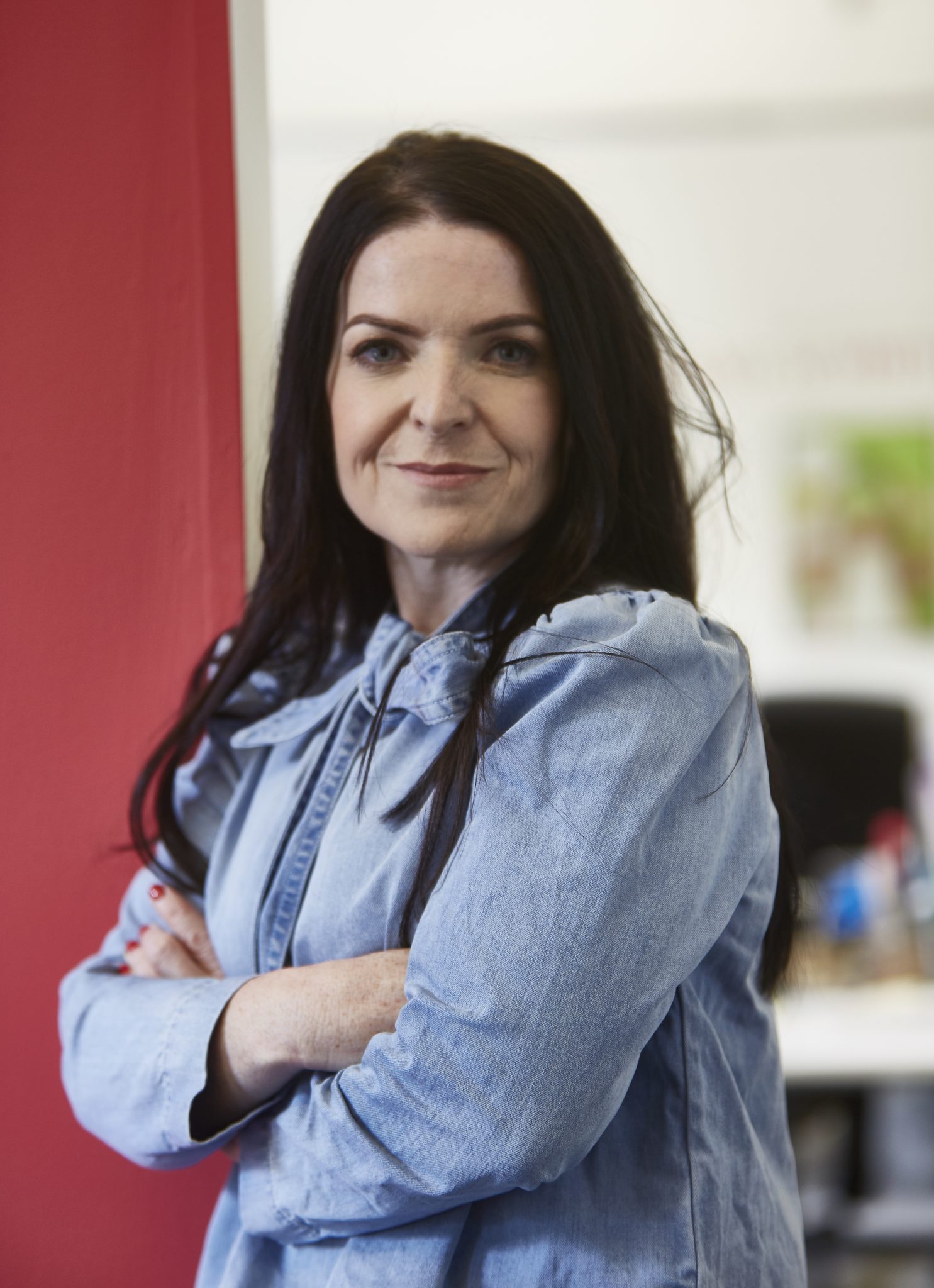
Nicole Higgins
The Buyer and retail coach
Host Nicole Higgins
Nicole has worked as a buyer and head of buying for over 18 years for retailers such as Primark, M&S and Debenhams and now uses her expertise and knowledge to help entrepreneurs start and scale their product businesses and continues to work on projects with corporates to increase bottom line sales and profits.
She established her own business The Buyer And Retail Coach™ to help give entrepreneurs the confidence and knowledge to bring products to market. Her expertise covers many areas from product development to sourcing and strategy across multi-product categories
The Buyer and retail coach
Nicole Higgins Links
https://www.instagram.com/thebuyerandretailcoach
https://www.linkedin.com/in/nicolehigginsuk
https://thebuyerandretailcoach.com
https://thebuyerandretailcoach.com/newsletter-sign-up
https://thebuyerandretailcoach.com/free-discovery-call
https://thebuyerandretailcoach.com/blog
Find more episodes on the Start Scale Succeed podcast page.
Read the full episode transcript
Welcome to the Start Scale Succeed podcast with me, your host Nicole Higgins, the buyer and retail coach, sharing tips, advice and insight from entrepreneurs that have just launched to multi-million pound business owners. We will be discussing the challenges they faced, advice they would give and the milestones they achieved and how they got there. Also joining me will be a broad range of experts with some tips and practical how-tos, episodes that will help your business grow and to enable you to live the life you crave. The types of experts that you’ll hear from will be those that you will find beneficial as you start and scale your business, from branding and social media experts to mindset coaches and PR marketing. There will also be solo episodes from me discussing a variety of topics from sourcing to maximising the profit in your business.
Setting goals, whether that is the beginning of January as you start a new year or at another time that’s right for you, are fundamental to helping you achieve the milestones that you want in your business. Setting goals and strategy both longer term and short term are a key element that will determine your future success and it’s the actions that you take to achieve them that will keep moving the business forward step by step, little by little. They also act as a guide to help keep you on track with regards to what you need to say no to in your business or what perhaps you should say no to in your business. As business owners we can often say yes to way too much that might be taking us off track and if it doesn’t align with our goals and the direction we want to go in the first place, should you be saying yes? Now this episode is slightly different as it’s a solo episode with me and it’s a little bit of a workshop format.
I want you to take the time, grab your notebook and go through some of the exercises and the questions that I’m going to be asking through the session. Whilst I was working in buying for M&S, Primark and Georgia, as to name a few, we would set goals and strategy at different times of the year, whether it was the launch of a new product category, developing a three year plan or going into the next season with a new financial year. So this is just to remind you that goals aren’t just for the start of the year and I want to share with you my approach to setting goals. It’s a mix of how I would have done it in corporate, in the buying world, for retail businesses and how I have amended that to fit with founder led product businesses. Think of the overall destination of where you want to take your business and your goals and all the key actions and steps that you’re going to take to get there.
Now, like I said, grab your notebooks and let’s get cracking. So grab your favourite drink of choice and we’re going to get to it. And I want you to just take a breath. And this time, the next 20-25 minutes is for you. So we’re going to break this down into three separate parts.
We’re going to reflect, we’re going to review and then we’re going to plan. So thinking about the reflection, I want you to look back on 2023 and how was 2023 for you? Just brain dump any of the words that come to mind. What were you happy about? What worked?
What didn’t work? We’re going to revisit this more from a business sense in a minute. But I just want you to think about how did you feel throughout 2023? Were you stressed? What caused that stress?
Were you organised? What worked? What didn’t work? Just brain dump, like I said, the words on a piece of paper in your notebook and think back to how you felt in 2023 and jot those words down there. How were things personally for you?
How were things professionally for you? And spend a couple of moments doing that. And then when you’ve done that, I want you to think about 2024. So press pause and brain dump for me how 2023 was for you. What are the words associated with for you?
What worked? What didn’t work? Now I want you to think about 2024. And sometimes it can be hard for people to set goals if they’re looking at a big blank piece of paper. And one of the ways I like to suggest, if that is you, is imagining you at the end of 2024.
And if you were writing a letter to your future self, what would you want to say you had achieved? How did this year feel like for you? What are the big milestones that you achieved in the business or what did you overcome? What does success look like for you in 2024? So just a couple of prompts for you there.
What words would you like to describe 2024? How would you like it to be different to 2023? What would success look like for you at the end of this year? And what do you feel that you would like to have accomplished both personally and professionally? What are some of the things that you would like to do more of or less of in 2024?
And what’s your overall vision for the business? So take a moment and write those down. Press pause and write those down. So now you’ve looked at how 2023 felt, what worked, what didn’t from a personal and professional point of view. You’ve jotted down some of the words of how you felt.
And then you’ve looked at 2024 and you’ve said, how do I want this to be different? What does success look like for me in 2024? What are the big milestones that I want to achieve? Now I want you to spend a little bit more time back in 2023. And what we’re going to look at is what I would have called in the retail world, my lessons learnt.
So this is more specifically looking at the business and what are the lessons that you have learned from the business? What went well? What didn’t go so well? And why? So things like launches of products.
What was a great return on investment for you? Did you go to trade fairs? How did they work for you? Are you happy with how you showed up on social media? Almost do a SWOT analysis of your own year and your own business in 2023.
So SWOT analysis for those who don’t know. SWOT, strengths, weaknesses, opportunities and threats for you in 2023. So just focus on the strengths and the weaknesses at the moment. So some of the things that I would have looked at within a business when we would have been doing lessons learnt in corporate, it might be the supply base was really strong or we had a great return on investment from, we had a great, a launch that we did was very strong and it gave us this amount of cash. Certain product categories that we grew, it was a lot more money and worked.
And on the flip side of that, things that didn’t work might be we had quality issues or a supplier let us down. And then that will help identify some of the opportunities for you and where your risks may be in the business as well. And then coming back to this SWOT analysis. So strengths, weaknesses, opportunities and threats. Look at your strengths and weaknesses of last year, 2023.
And then that will help identify and highlight for you what are the opportunities and what your threats may be. So for example, if a strength was you’ve renegotiated your margins. So now you are able to go to wholesale. So an opportunity for you would be increase your business by X% by exploring new wholesale accounts. If a threat may be or like a weakness may be a product category that you’ve been doing consistently has started to decline.
So a threat may be you’ll have a threat to sales because that product category is in decline. So you need to think about, right, where are the opportunities from a product point of view that are going to take that, where that deficit in the cash might be if that from the product area that’s going to be declined. That just gives you, hopefully makes it more real to you and some examples. So you’ve looked at your strengths and weaknesses, your opportunities and your threats. You have looked at your, you know, what lessons you’ve learned from 2023, both good and bad and how you can use them in your business for 2024.
Then I want you to look at your sales turnover in 2023. I want you to look at what are for your best selling months and why and what drove those sales and what were your worst selling months and why, because you need to be able to identify the good and the bad. You need to be able to measure. And I want you to look at your best selling products, your best selling categories and think about why they’re selling, what value they’re selling and how do you feel they’re going to sell next year as well that’s something for you or this year that’s something for you to be thinking about. And I also want you to have a look at your margin on your best selling products because that you’ve got a best selling product that’s something that your margin should be strong on that because that’s something that you should be advertising.
It’s something that it might be if you’re going to wholesale, it’s one of your wholesale categories that you promote strongly. And if that doesn’t have a high margin, it’s one of ones that you want to focus on either renegotiating with your supplier or potentially looking at new sources. Now still in 2023, I want you to have a look at your community, your marketing and your sales. And you can come back to this, but have a look at how has your social media grown in 23? What did you do that worked well that you’re going to continue doing?
So what new followers do you have? What was your best selling post? How frequently are you selling? Because you should be selling every day in one form or another. How have your followers grown?
How have your email subscribers grown? Looking at what are your best converting emails so that you can understand more about the pattern of what works and what doesn’t. Think about how frequently are you emailing? Do you want to maintain that for this year? Do you want to increase it?
And then what activities are you doing to get people to join your email list? And what’s been your most successful marketing channel? So the best return on investment, both of time and money. So there are some things for you to think about still in the lessons learned part of 2023. If you were to grade yourself out of 10, if you were to grade the business out of 10 for 2023, what would you give yourself and why would you give yourself that score?
Are you ready to scale your e-commerce store? Want to do it without having to wear yet another hat and become a digital marketing expert? This episode is brought to you by Neon Digital Clicks, the paid traffic partner for family and women’s e-commerce brands wanting to scale their stores from five-figure to six-figure months using Meta, Google and Klaviyo marketing services. Neon is offering listeners a free scaling audit worth 3,000 pounds. So whether you’re sales have plateaued or you’re looking for growth, this is a great opportunity to lift the lid on your business and identify where the opportunities are hiding.
Head to scalingglow. com to discover just how much revenue you could scale your store to this year. So if you are currently a five, why are you a five and what could you do to get you to a seven? If you’re currently an eight, why are you an eight and what could you do to get you to a 10? And then what are the actions that you need to do to achieve that higher score that you want to get?
And then think about what got in your way last year. Was it your own procrastination? Was it not delegating enough? Was it being saying yes to too many things and trying to have your fingers in too many pies and not focusing? Was it over buying on items meaning that you were left with lots of stock or buying too many items rather than focusing on certain categories?
So what got in the way of your success? What held you back? And what can you make sure that that doesn’t happen again? So if it’s the organization piece or you didn’t plan out your year so you missed signing up for trade fairs, could you get a part-time VA to work with you and help you be more organized? Planning in those trade fairs in advance and securing them now.
And then to finish that off, I want you to think about what were your wins last year? What are you most proud of and grateful for? So moving on to goal setting and planning. So we’ve done the reflect, we’ve done the review, and now we are going on to the planning and the goal setting and what you want to achieve. So just to remind yourself what you want to achieve in 2024.
So what do you want 2024 to look like? What words did you use to describe 2024? How would you like it to be different? What are the things that you want to achieve if you were looking back on 2024? What do you want to do more or less of?
So do you remember those things that we looked at at the beginning? Now I want you to think about what are three areas you want to focus on for this year in your business? So if you think back to those words or you think back to those milestones that you want to achieve, are there common themes within them that you want to, that you can group under a particular heading? What are the three areas? So one might be visibility, one would be sales, one might be community.
And then you’re going to look at what are the goals that you need to set to help get you where you need to be in 2024. And then think about those three areas and then how do they tie into the bigger mission and vision of your business? So it’s all coming back to what you want to achieve with the business and what you’re about. And then just a little bit on goals before we start setting them. So you may have, you may or you may not have heard of smart goals.
So goals should be smart, which means that they’re specific. So there is real what against it. So you’ve got something that’s measurable. So M, so S specific, M measurable, A achievable, R relevant and T is time bound. So specific, what do you want to accomplish?
Measurable, how will you know when it’s accomplished? So you’ll put a measure in there. How can the goal be accomplished? And relevant, you know, is it realistic, relevant for your business and what you want to do? And then it’s time bound.
You’ve got a time against it and a time set against it. You’ve got a line in the sand. So think about what you want to achieve this year and goals shouldn’t be too small and they shouldn’t be too big. If it’s too small, you’re doing it anyway probably and you’re not setting the bar far enough. Goals should make you feel uncomfortable potentially and it should be a stretch, but not such a stretch that you’re not aiming for it anyway.
Imagine if you were setting yourself a goal of walking. I know this isn’t from a business goal, but if you’re saying, right, okay, I want to increase my steps and you’re currently doing 3000 steps a day and you’re saying, right, okay, I’m going to do 15,000 steps a day or 20,000 steps a day. You most won’t even try because for you to get from 3000 steps a day to 20,000 steps a day takes a real big shift of what you’ll need to do in terms of how you work, where you work and takes maybe a lot more planning. Whereas if you say, right, okay, I’m currently 3000 steps a day. I am going to get to 7,000 steps a day.
It’s a lot more achievable. So not too small, not too big, but they should stretch you. So I want you to think about what turnover you want to achieve in 2024. Write it down. Now, I also want you to write down what’s your stretch turnover.
So what’s the turnover that goes? Holy hell, if I achieve that, I would just be so happy. That would be amazing. So keep that in mind. Now, like I said, in terms of goals, I’m just going to go into a little bit with goals.
So let’s say you have goals that we’re talking about and they tie into the bigger theme of visibility. You want to increase your email list is your immediate goal and that’s your what. You have a measure. You want to go from 3000 subscribers to 5000 subscribers. So that’s your specific measure.
You’ve got a line in the sand there. You’ve got a when. So you’ve said, right, by May, 4000 subscribers, by December, 5000 subscribers. And now what are the actions that you are going to do to make sure that happens? And when are you going to do them?
So one might be to create a strong lead magnet that’s directly targeted at your audience and their pain points or their interests. So for example, if you are a brand that’s targeting menopausal women and you create a PDF of tips that might help them. Or you are a fashion brand and you create a quiz for people to see what kind of style. And you’re saying, right, okay, I’m going to create this lead magnet. I’m going to have it done by the end of February.
And then I’m going to ensure that I promote it everywhere. It’s very visible on my website and I get in touch with other people that I know or they’re aligned with my audience that have blogs to see if they can share it in some way. Then another action you might do that’s tied into that goal is you might just say, right, I’m going to collaborate with three people and get featured in that newsletter by April. And I’m going to decide on my three people by February and I’m going to have approached them all by the end of February. And I want to make sure that I’ve achieved this by the end of May in terms of I’m in the newsletter.
You also will say, right, each week, I’m going to make sure that I mentioned my email list. So you might say, right, I’m going to do that three times a week on my socials. And you might just have a checklist of when you’ve done it. So that gives you an example of maybe how some of the goals and the actions that you could set that tie into that visibility and profiles. Hope that gives you an idea on something like that.
If you’ve got sales as a goal, so sales, you have a turnover goal of X and then you’ve looked to all of your opportunities that you have. And maybe one of those opportunities is to increase your wholesale. And I’m going to, my measure is, I’m going to increase my number of stockists from 10 to 30. And I’m going to do it by July 2024. And some of the actions that you might need to do for that are I’m going to research suitable trade fairs, decide if I’m exhibiting and book the stands.
I’m going to reach out to five new potential stockists each week. I’m going to schedule into my diary, wholesale, reach out time. So they’re specific actions that are then time bound to help you achieve your goal. So I hope that makes that clearer for you with those examples. Now, I want you to think about your quarters.
So your month one, month two, month three. So your quarters, generally, you would talk about quarters. So the first quarter of the year, January, February, March, second quarter of the year, April, May, June, and so on. Your year may run differently. You might do the calendar year.
You might do the financial year. You might have it from when you started your business. It all depends. But I want you to think about the next 90 days and what your turnover you want to have and achieve for the next 90 days. And break that down into month one, month two, and month three.
And what are your key business objectives for the next 90 days? So you’ve looked at your overall goals and what you want to do and when you want to achieve those. And now I want you to focus on your key business objectives for the next 90 days because they will be tied into your overall goals because within your overall goals, you probably have short term and long term in there. And your longer term goals need quite consistent action because the longer term, they’re going to take a while to maybe happen and you might need to keep making those small steps all the time for that to happen. Your key business actions that you’re going to take and your goals for the next 90 days.
And then I want you to think similar to what we did the exercise for the end of 2024. Think about, right, if I achieve that at the end of Q1, how would I feel? What does success look like? What are those measures? How am I going to measure that?
So think about the next 90 days. Focus on your month one, your month two, your month three. Make sure you’re setting yourself sales targets and then how are you going to achieve those sales targets? You need to make sure that you’re showing up and selling, that you are getting yourself in front of people. You might be collaborating with others.
Look at all the actions you’re going to take to achieve them. If you don’t have a number or a target, you are going to just coast. You need a set number and a target and that’s why every business has KPIs and key performance indicators so that you know, am I on track to achieve this goal? If I’m not on track to achieve the goal, what do I need to do to achieve it? How do I need to change course?
What are the additional actions I need to take? What do I need to stop doing? What do I need to start doing? So I hope that has helped clear your mind a little bit or get you more focused for the year ahead or at any time, like I said, goals aren’t just for planning in January at the beginning of the year. You can use it for a start of a project, a new product launch, making sure that they are smart goals, so specific, measurable, achievable, relevant and time-bound and that they tie into your overall business mission and where you want to get your business to go and what you want to do.
So I hope you’ve enjoyed this episode. I’d love to hear from you. I’m Nicole Higgins at The Byron Retail Coach on Instagram. If you’ve got any questions, please do DM me and let’s get you set up for success for the year ahead. And I will be back again next week with another great guest.
Thank you for listening to this week’s episode of Start Scale Succeed. If you’ve enjoyed today, I would love for you to leave a review and I will see you again next week. If you’d like to hear more from me, your host Nicole Higgins, you can follow me on Instagram at The Byron Retail Coach. Check out my website www. byronretailcoach.
com or find me on LinkedIn. All the links are below in the show notes. And don’t forget to subscribe to my newsletter, The Step, for lots of helpful tips and advice.
This transcript was generated automatically and may contain small errors.