In this episode
- How US Launchpad makes it easier for UK brands to sell in the United States
- Sales tax, compliance, packaging and insurance explained simply
- Which products are selling well in the US right now
- Why your brand messaging needs to change for American customers
The Easy Way To Launch Into The US Market With Lauren Orlicky
On this episode of Start Scale Succeed, Nicole Higgins, The Buyer and Retail Coach, talks about US market. As a result, you will come away with practical tips for your own product business. So, press play above or read on for the key points.
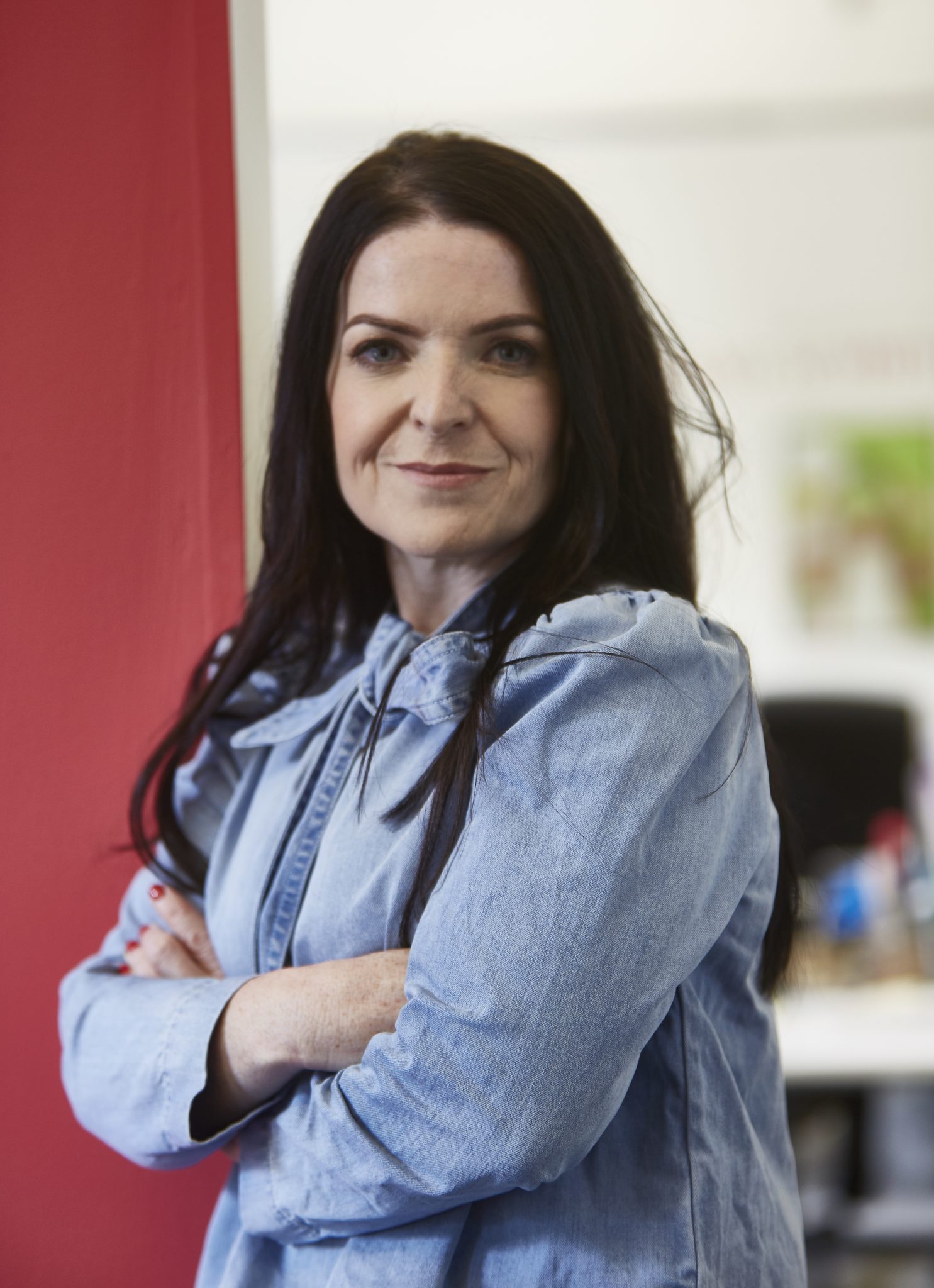
Welcome to another episode of the Start Scale Succeed podcast with your host, Nicole Higgins, the Buyer and Retail Coach. In this episode, Nicole is joined by Lauren Orlicky , co-founder of US Launchpad about the practicalities of launching your brand in the United States and how to do it the Easy Way
We chat about US market
– The Story Behind US LaunchpadLauren shares how her own e-commerce challenges inspired her to create US Launchpad—a company dedicated to helping brands expand into the US market without the overwhelming red tape of officially setting up a US entity.
– Navigating the US Market as an International SellerLearn about the “international seller” route, a cost-effective and stress-free way to test your brand in the States, requiring only a US EIN (tax number) and a US dollar account—no US bank visits or 54 forms!
– Sales Tax SimplifiedLauren breaks down how sales tax works for international sellers in the US, including navigating threshold laws (known as “nexus”), using tools like TaxJar on Shopify, and the surprisingly simple admin required.
– What Products Are Flying Off Shelves in the US?Discover which UK/EU brands and product categories are resonating with American consumers—
– Why Brand Messaging MattersNicole and Lauren discuss the importance of adapting your brand voice and marketing—Americans love “extra cheese,” and what feels salesy in the UK can truly resonate in the US.
– Compliance, Packaging, and InsuranceIf you’re a food or beauty brand, find out what it takes to meet US compliance, the difference between cosmetic and drug labeling, and how Lauren’s team helps with the complicated world of US product liability insurance.
– The Realistic Path to Success in the USLauren shares honest advice about managing expectations—most brands see true traction in the US after consistent effort for 10 to 12 months. Plus, why starting small, testing, and scaling are the keys to sustainable growth.
More from episode 192
– Fulfillment and Logistics Made EasyUS Launchpad provides hands-on, end-to-end support with warehousing, shipping, and even connecting you with US retail buyers—no minimum order volumes needed for US and Europe.
https://www.uslaunchpad.co.uk/usplaybook
http://linkedin.com/in/lauren-orlicky-78118b292
Host Nicole Higgins
Nicole has worked as a buyer and head of buying for over 18 years for retailers such as Primark, M&S and Debenhams and now uses her expertise and knowledge to help entrepreneurs start and scale their product businesses and continues to work on projects with corporates to increase bottom line sales and profits.
She established her own business The Buyer And Retail Coach™ to help give entrepreneurs the confidence and knowledge to bring products to market. Her expertise covers many areas from product development to sourcing and strategy across multi-product categories
The Buyer and retail coach
Nicole Higgins Links
https://www.instagram.com/thebuyerandretailcoach
https://www.linkedin.com/in/nicolehigginsuk
https://thebuyerandretailcoach.com
https://thebuyerandretailcoach.com/newsletter-sign-up
https://thebuyerandretailcoach.com/free-discovery-call
https://thebuyerandretailcoach.com/blog
Find more episodes on the Start Scale Succeed podcast page.
Sponsor
Neon Digital Clicks
Are you ready to scale your ecommerce store?This episode is brought to you by Neon Digital Clicks, the agency dedicated to helping kids’ and family brands achieve explosive growth with high-performing digital marketing campaigns.
Neon’s new Runway to Results programme is a revolutionary paid-advertising service that will help you understand your brand’s true potential and reach the heights of success you dream of.
Over the course of 60 days, Neon’s expert team will test and optimise your Meta and Google ad accounts to establish your business KPIs and optimum Cost Per Acquisition.
At the end of the Runway period, they’ll analyse your data to establish what profitable scaling looks like and arm you with knowledge, confidence and a clear plan for the next phase of your growth.
If you’re ready to elevate your e-commerce game, Neon is the navigator you need on your flight deck.
https://neondigitalclicks.co.uk/
Read the full episode transcript
The US has a retail market of $4. 85 trillion versus the UK at just over 5 billion. Both massive numbers, but the scope and the opportunity for expansion in the US, if you get it right, are massive. Today, I’m joined by Lauren Norrisi, co-founder of US Launchpad, a company that helps, among other things, your brand launch in the States. And we’re going to be chatting all about the dos and don’ts of of launching in the States.
Lauren, thank you so much for joining me. Thank you for having me. It’s it’s great to be here and taking time out of your Italian holiday. Thank you so much. Well, it it never stops.
Business never stops. No, I know we were saying about work life balance. Sometimes it doesn’t really exist when you have your own business, but we like to we like to try. So, tell me about US Launchpad. What is it that you do as a business?
So we the original um story actually goes dates back I’ve got an e-commerce business as well and we were finding that we’re getting so much traction in the US with traffic on the website people wanting to buy the products but shipping just being skyhigh and all the normal issues that come with it. So decided that I wanted to test the American market with with the ecom products initially. Made every mistake in the book and took every wrong turn. It was the most expensive, stressful, awful two years of of the whole ecom journey that I’ve experienced so far. And thankfully it worked out.
It was it was great. And we’re we’re doing well over there. And it’s it’s been a success story in its own right. And we were selling bundles in the UK with our products that we manufacture as well as a complimentary product from from a company that we we didn’t manufacture for. And I’ve replicated that bundle in the US and it started to get real real traction and was selling really well just like it was in the UK.
So I I I kind of expected it but the the company that I collaborated with on this bundle wasn’t expecting it. So they contacted me and said, “Oh, this is crazy. we’re we’re sending all this stock over to the States for you. So they they thought that they had a market in the US too and wanted to explore that. So he contacted me and was asking if he could send some stock over to to the US.
And at the time we had like a tiny tiny office and small and I mean really small storage space. And I I you become friendly with your suppliers. I was like okay yeah go for it. let’s let’s I’ll I’ll see what we can do kind of thing. So he sent his products out there and that sparked the journey of me figuring out a way for him to launch in the states without having gone through the hell that of setting up a company in the US.
And we found a way that you could sell in the US as an international seller without having to set up a a company out there. go through the legal battlefield. Um because as soon as you set up a company out there, you’re in for I think it’s 54 forms that you have to submit. Even if you’re not trading, it’s just it’s an admin nightmare. It’s hard work and and pretty stressful, especially if at the same time you’re trying to get visas to work out there as well.
So, we found this way and I actually sat down with about six or seven lawyers to and accountants and tax advisors to make sure that this thing was real and legal because it just seemed too easy. And I sat I remember sitting in a boardroom table with four guys all dressed in suits screaming acronyms at each other like all the AYD and the duh duh duh. And I was like, God, I just have no idea what you’re talking about. I just literally I’m so lost in all of this. So when we found this easier way, um it just opened up so much opportunity for at the time we were we were talking with UK businesses and things like that.
And then our supplier, the brand that we had collaborated with on the ecom side, his brother then contacted me and he was like, “Oh, I’ve got coffee company. Can I send some some of my my granules over to you?” I was like, “Okay, yeah.” And then his nephew then contacted me and he’s like, “I’ve got a water bottle company. Can I send some products over to you?”
I was like, “Yeah, sure.” And eventually it just grew into phone calls from people I I don’t even know how they got my number and they were like, “I I hear you’re the girl that can help me launch in the US.” So it was a real unintentional organic growth for for helping people in the US to to launch essentially and navigating through how not to do it. And then once we found this much better way how to do it. So we’ve literally got a playbook of Yeah.
So tell me how how is the way what what what way do you facilitate it? Now you can of course set up a business out there. Um, but if you are testing the market, I would use it as a stepping stone and sell as an as an international seller initially and all you need to do that is a US tax number which is an EIN and it’s completely free of charge to apply for. Takes 5 or 10 minutes to do really easy. we hold your hand throughout that whole process um if you come on board with us and if if you don’t there’s it’s it’s super simple to to do yourselves as well and it’s one one page PDF I think there’s about 30 questions on there but actually as an international seller only seven are applicable so we guide you through how to do all of that there’s one phone call to make to the tax office over there which is equivalent of our HMRC and they verbally give you the EIN number the US tax number on on the phone and that’s it.
That’s you can start you can have stock land in the states and dispatch from a US warehouse or US address as soon as you’ve got that that US tax number. It’s that simple. So, and if you weren’t doing that, like I know that you would say you use this as a stepping stone to then see right what’s the potential, but if you weren’t doing that, you’d what does it look like in terms of I know you said you’ve got 54 forums. So, you’ve got to have imagine you have to have a US bank account either way. Yeah.
Yeah. No, you don’t. Not on the not on the international seller. So, you need to have a US dollar account, but it doesn’t need to be a US-based bank. So you could have staling, wise, airwix, revolute, any of those that have the the US dollar account attached to them as well, which is makes it even easier because to get a US bank to get a US bank account, it’s um you have to nine times out of 10 the bank want to see you face to face.
So you have to fly over there. Um you have to be recommended from someone that’s already banking with them. Um, and there there’s lots of hoops to jump through and hurdles to jump over to to actually get a US bank account as well. Um, but it’s not impossible. It can be done.
And the the form side of it, so to set up an entity over there, it does cost money whereas the international seller way is free of charge. Um, I would probably budget between5 and $10,000 if you’re looking to set up an entity, get the tax advisor to to help you with that. and also the US bank account as well. Um, so it’s again, but the way you work is you you have a business set up as an international seller and you have fulfillment spaces over there that they can deliver to and send out from and everything. Exactly.
Yeah. Exactly that. I mean, if they’ve got a US company, we can still help them um and we would help them set up the company as well, which tends to happen. So, in the way that the US works, if you’re an international seller, you fall under what’s called the nexus law. I’ll try not to send anyone to sleep with this, but just as a a rough guide, what that means is there are thresholds that you have to hit or or that you that you hit before you have to start charging sales tax.
So, as an international seller, you don’t worry about state tax at all. It’s off your desk. You don’t need to worry about it. It’s only sales tax. And the thresholds, to give an example, you’ve got California, which I think is $500,000 per year.
So any sales that fall under that $500,000 threshold, you don’t charge sales tax to your customer. And they feel like they’re getting a really great deal because they expect to see sales tax applied at checkout and it doesn’t happen. So they love that. And then as soon as you clip over that threshold, because each state has got a different threshold. Some are $100,000, some are $500,000.
and everything in between. So, as soon as you tip over that threshold, you’ll then need to start charging sales tax. Um, at point of checkout and then paying your sales tax each month. Um, there are tools if you’re using, for example, Shopify as your store. You can use Tax Jar as a tool to deal with all of the tax calculations and everything.
So, you don’t ever need to contact customer post sale to go, “Oh, I’m really sorry. Actually, you were over our threshold. can I just collect the sales tax? Um, it’s a really horrible user experience. So, it will kick in automatically.
It knows what your what your sales are at and it knows when to start charging sales tax. Um, and it’s really cost effective. I think they’re about uh $24. 99, $24. 99 per month for tax jar.
So, it’s really really cost effective and it just takes that headache off away from you. with the the monthly tax returns. They’re they’re done all online on the portal and it takes 5 to 10 minutes each month. So, you don’t need to pay up for big expensive tax advisors or accountants or anything like that. If you’re with us, we’ll we’ll sit there on a video call with you as many times as we need to over so many months until you feel confident to do it yourself as well.
Um, or we’ve got step-by-step guides with with screenshots and everything on how to actually submit the tax, but it’s really really easy as well. So, that’s kind of the headache taken away and no expense attached to it as well. What are the kinds of brands that you’ve seen that you’ve working with that are working well out in the States? I’d say the ones that do particularly well are we’ve got a lot of baby and children brands. Um, and of all the products in America, they’ve actually got quite a lot that they aren’t able to get hold of in the States where we we sort of take a children a baby’s changing mat for example.
The wipable ones, it just seems common sense that you have a wipable changing mat, but they don’t they don’t exist in the US. One of our UK clients has now started selling in the US, and these baby mats are flying. They’re just they’re so popular and they they just do things slightly differently in in how they have things in their home. And what we sort of take for granted is completely revolutionary to them. And they love the language, especially actually over in the States is extra cheese basically.
So they love the um you know, oh this is going to change your life and if you don’t buy it now, you you’re going to miss out. And that that all that sort of pressure cheesiness is is really how the marketing works over there and the advertising and everything. It just if you were to do that same campaign in the UK, I think you’d lose half your audience. So if you’re thinking of launching into the US and you’ve set yourself up as an international seller, then what are the things from a focus point of view? if you’re running down like a checklist.
I’m not going to ask you to list everything because we’d be here like maybe past the recording. Um, but I suppose it is then looking at that tone of voice, how it’s different and doing that that kind of market research of how you need to position yourself in the States versus how you are in the UK. This is it’s one of the reasons why I always sort of recommend setting up as an international seller first and really organically growing it as well because you can test things and it can go wrong and it’s okay. It’s not cost you a huge amount of money or or time sort of thing.
Um, so to organically grow it and test it step by step is is a really nice way to to launch and you can send one box or you can send five containers load containers worth of stock. There’s no sort of minimum or maximum, but I’d always look at if you’re gaining traction on your website, look at that in terms of if it converted into sales, u what that would mean for a stock holding and kind of not send a whole great big container load over there if if it doesn’t make too much sense because you if it doesn’t work out, you’ve got the cost of bringing that all back again or Yeah.
or liquidating it, which is always really heartbreaking. So, it’s just it’s the perfect way to to organically grow it. And sometimes selling out can create more demand as well, is a frustrating issue to have as a as a as a seller because you want all the sales that you can get sort of thing. But sometimes that lack of availability can help bubble up a bit more demand and then you can do a nice launch campaign of stocks coming back in in two weeks time, pre-order now or something like that. And yeah, and you can almost sort of keep selling out and just growing your stock and your inventory gradually.
Um, and do you do you recommend for brands to have two separate websites like a US based, a US targeted website in terms of the language that’s on it and and different social media or what do you suggest? Both work. Um, I don’t know that I would recommend having two different social media accounts just because it’s really hard to build up an audience. It’s really hard. Um, for the websites, it’s either most if again if you’re on Shopify for example, you can use Shopify Marketplace, which just takes your current website and converts it into dollars.
You can p you can hide ranges if you’re not launching your whole stock holding in the US. You can hide ranges. You can hide SKs and and only launch with the ones that you actually are having out there. So, I know a lot of people get scared of that. Oh, if someone’s ordered this and it’s actually only in the UK warehouse, they’re going to get split deliveries and things like that.
You can just switch those products off so it’s not a logistical nightmare. Make it as simple and easy on yourself really as possible. Um, but I would I would probably start with the Shopify marketplace or the the sort of conversion if you’re with Woo Commerce or whoever. Um and then I personally would then separate the websites just because as soon as you do a promotion if you are doing um a collaboration in the US for example with a with a US based brand that wouldn’t make sense to do in the UK or for your European audience they don’t even know that brand for example that exists in the US.
you you’ve got you’re able to play with it a little bit more and do more targeted and focused marketing on the collaboration for your US based website. Um, and you won’t have UK and European customers going, “Huh, what what is this?” What about then food brands and and I don’t know whether skincare would be the same but in terms of f you know like food and drug rules and skin care rules you’d obviously have to go through a process to make sure that the product if you’re a food brand or potentially skincare as well that they’re able to be stocked in the US. Yeah, definitely. There’s the compliance side of things with if we take beauty for example um you can either be a drug brand and a drug brand is if you are making claims as such as um you know this will make you look younger or this will reduce your wrinkles or something like that.
If you’re making a statement like that you you will be classed as a drug product um and you’ll need to get full FDA approval. If however you’re saying um you’re not making claims like that just smooth for smoother skin or something like that a slightly lighter claim that would be classed as cosmetic. So you don’t need FDA approval for that. The only thing you’d need to do, so depending on which category you fall into, if you’re FDA, if your drug, sorry, you’d go for the FDA approval. Can get quite expensive, but it’s it’s fairly easy and um they’ll they’ll take you through all of the certifications, the testing that has to happen, and everything like that.
If you fall into the cosmetic side, which if you’re making a claim about anti- anti-rinkles or or whatever the claim may be in the UK, a lot of people just tweak it slightly. So, it’s for smoother skin just so they don’t have to go through the FDA approval process. Um, and then for the co cosmetic side, you just have to get your labeling correct. And there’s a great website on on the FDA association website um a great page sorry which lists out it’s all completely free of charge as well this resource um lists out exactly how your label needs to look what it needs to include how it needs to be displayed um and the information that needs to go on it.
So they make it really really simple. You sort of like check box. And to be honest, if you’re selling your product legally in the UK and or Europe, nine times out of 10 it’s also legal in the US as well. The labeling is pretty similar. Yeah.
Because the UK is stricter than the US. I remember from my um Primark days and when we were launching in the US and and also and Europe was actually harder. France going into France was harder. H and Spain from in terms of clients and licensing and and all that kind of thing. But I remember the UK being more stringent than the US.
So if your if your packaging was and your products was approved and good for the UK, you were generally fine for the US. Exactly. Exactly. And what what mistakes have you seen brands making that have launched in the States? And I suppose you’ve known from your own experience of what what mistakes you’ve made, but what mistakes have you seen brands making?
Yeah, I wouldn’t say there’s mistakes that have been made. I think expectations are set too high because the market is huge in the US naturally and they’re they they spend a bit more as well from my experience. That’s not an actual fact that I’ve seen but they just seem to be happier to spend a bit more money. So I wouldn’t say mistakes as such. I’d just say heightened expectations of you know oh this is our big launch it’s going to go crazy and then it doesn’t go as well as they hoped.
Um, and I’d say that the most common journey I see in pretty much all of our clients launching in the US is the launch will either be great or sort of fall under what is expected. It’s never terrible because, you know, there’s the products aren’t ever terrible. So, it’s always sort of okay, but maybe under what the seller was expecting. And if that’s the case, they there seems to be a running theme of brands needing to stay consistent for between 10 and 12 months. And if they can stay consistent for 10 to 12 months and keep going with their marketing, obviously the sales are still coming in.
It’s not lost leader kind of thing. But with the consistency and then around the 10 to 12 month mark, I’m not sure what happens to be honest, but I don’t know if algorithms kick in and what whatever’s happening, we just see a a boost and it’s like enter the next level of the US market. Um, and suddenly you’ll start to see around that mark, typically your US sales will start to even out, if not tip over what your UK sales are doing. Um, and then if you’re there for I’d say probably two two and a half plus years, the the story is with all of our brands pretty much is they’re doing at least two times the amount of sales in the UK and two times the amount of sales in the US compared to their UK website.
So, it t it does it’s a gradual growth. It happens and you do get more of the market as you’re the longer you’re there, but it’s not this big bang. Sales are amazing from day one and they’re consistently amazing. Um, it’s it’s a a slightly jagged growth where you kind of like plateau and grow gradually. And what would you say they need to have in place then before they start thinking about the US?
Product liability insurance is quite a big one, especially if they’re looking to do wholesale. that is most people obviously have that with their UK or European companies anyway. Um, but you’ll see that some insurance policies in the UK and Europe won’t cover you if you are dispatching from a US warehouse or US address. They’ll only cover you if you’re dispatching from an a UK or European address into the US. So, just double triple check that on the policy.
Another another condition we see is the policy that they’ve got in the UK or Europe will cover them for US sales, but only up to a certain amount up to $10,000 per year. For example, any revenue generated from US sales over and above that, they’re suddenly not covered. So they’re you provide that as a service as well. You help uh with the product liability insurance. Do you proide it?
Does your company provide it or do you link with insurance providers to do it? Yeah. So, we’ve got an umbrella policy because it actually means that if a client sends a product out and that customer sues them, we could also be part of that because we dispatch the product. So, our umbrella policy covers us and then we can add our clients onto it. Um, and it’s one that cuz quite a few of our beauty clients are in um retailers like Ulta, Alta.
com, uh, Credo, Detox Kitchen, all these like big big retailers. They require so much on their product liability insurance. Most of them cover most of them come under our umbrella policy without any additionals needed. Altar, for example, require a $6 million cover per occurrence plus legal and attorney fees. Um, so it’s a biggie for Altar and which we can get and it’s not an issue, but it’s just it’s about $500 per year more than the standard policy that we that we can add you on to.
Um, but yeah, it’s all there. Uh because I know when looking for my own brand, if you haven’t got a US company, it costs I mean we got our first quote in at $38,000 for product liability insurance in the US. Yeah, it was madness. So, but this where most brands we can if it’s a standard product that doesn’t need the extra or it’s not classed as hazardous or anything like that, um the policies start at around $1,300 per year. So, it’s much more affordable.
And what else would you say they need to be thinking about? Freight is always a biggie and we can definitely dive in and see if we can save a few pounds and pennies on that side of things as well. Um, dealing with it doortodoor. A trip up that we’ve seen quite a lot of clients be victim of which is really sad and this isn’t have them having booked the freight through us. um is when sending product to the states, before the before the stock even gets loaded onto the vessel or the or the plane or however it’s being sent before it gets loaded onto the vessel, they have to file what’s called an ISF.
And if that’s not done and it hits the water or is in the air and then goes to the US, you’ll get a $5,000 fine without question. And there’s there’s no way to appeal it. they just they won’t listen. Um, and we’ve seen three or four clients done with that this year. Um, so just a real big heads up if you’re sending stock to the US and the freight agency or your agents or anything hasn’t mentioned ISF, ask them, “Has my ISF been filed before you load my stock?”
When a brand is setting themselves up as a supplier with a retailer, do they set you up as the supplier and and in the paperwork or is it they set themselves up as a suppier? Set themselves up as the supplier. Um we would come into that with obviously we we put all of the product liability insurance policies forward with the certificates and everything like that. Um they would set it up themselves. the money would be paid to them as well and they may the retailers may audit us which is fine would be audited quite a lot.
Um but our name is not mentioned or any any warehouse or 3PL or anything like that wouldn’t be mentioned on anything. Yeah. But they may audit the warehouse the fulfillment center just to make sure that it’s compliant with health and safety and and and their and their kind of requirements. Yeah. No, I was I was just kind of curious on that.
especially especially if it’s on a drop ship model where they need to keep their their SLAs’s up with the customers. So, they need to check that we will dispatch every single day and process returns quickly. Um, if they’re not actually handling the stock themselves, that would be a biggie where we’re literally it’s like back sweating moment for us because they come in with these clipboards and check everything over and thankfully we’ve passed all of them so far. But yeah, it’s um they’re quite stringent. To sum up, what would be your do’s and don’ts?
I would start small and gradually grow with as an international seller so you haven’t got the headache of of all of the forms and the cost and everything associated with it. I would manage expectations for the launch. I know it’s a huge market out there, but it’s takes uh I’ve forgotten what the number is now. like 17 exposures before someone will buy from you or something crazy like that. Um, so just manage expectations and keep consistent.
Stay stay with it and it will it will not only just grow but it will suddenly flip into, oh wow, okay, this was worth it and cross all your tees and do all your eyes with the tax, with the compliance, with the labeling, with the insurance. um just stay stay ahead of the game on that side of things as well. And any any kind of any kind of very much prominent don’t I mean it’s all it’s all sort of wrapped up into not throwing everything in the kitchen sink at it. just don’t don’t go too crazy with it and make sure that cuz you can go in and go I’m getting you know I’m getting 2,000 people coming to my website a day or something like that and that won’t convert necessarily.
So don’t take those take those figures as gospel to think every one of those is going to buy in the first place and that that traffic will will convert sort of on when you hit the states and you’ve got much better shipping rates and everything like that. Everyone thinks oh that’s what that’s what’s going to convert. Yeah. to estimate that first type of quantities that you should be sending over in ter because like you said, you might have 2,000 visits from the States, but that’s not going to be 2,000 sales. No.
What would you say in terms of would it be looking at your UK sales per week and then taking a quarter of that and sending out a month’s worth of stock or two months worth of stock? you know, what would you say when you’re advising clients in terms of that initial stock that they’re going to send out for them to estimate what that would be? What would they be looking at? I personally, from my own personal experience with with the ecom side on my products, I initially started selling through um Amazon FBA and sent stock out there through Amazon where you don’t need any setup at all.
can literally just send the stock over there. That’s a really nice way to test it. Um, so I tested that for about five or six weeks. Then once I’d got the figures in and the sales in from that, I then used that data, compared it against what I’d expect from from the UK sales and sent over one and a half times what I would normally get in for, let’s say, UK sales because the shipping, there’s a sweet spot with the shipping. Um, if you’re sending cartons is really expensive.
If you send one palette, it’s one or two pallets, it almost makes sense to send three because the shipping cost for three pallets is almost next to no different and you’ve got an extra whole palette of stock. Um, so if you can do it where you’re sort of selecting the stock cleverly, you’ve got your got your hero products there kind of thing and lead with them, the the sweet spot on the palette side of things is is that three three palettes. But with the boxes obviously it’s easy to air freight them. It is expensive but it’s such a great way to test it and you just swallow swallow the the sort of drop in your margins whilst growing that part.
Um so with the stock calculation I wouldn’t necessarily base it on the traffic that you’re getting in. Um unless you’re actually selling to the US and and anyway. Yeah. Yeah. Um but yeah, otherwise if if you can test it in on a different marketplace or go with how you first started and send be conservative and just send a small amount and and grow it from there and and then how in terms of people working with you to understand well I suppose first of all you don’t just deal with the states now your your business has expanded and you deal with Europe.
Talk to me a little bit about what you do as a business. Yeah, sure. So we started in the US obviously with the with the whole ecom story that I mentioned at the beginning and hence the name US launchpad which doesn’t really work anymore but we we got some really great clients in the US and they were asking if we do their UK fulfillment as well. Um for quite some time we were saying no no no it’s it’s US that’s what we do. This is our strength kind of thing blah blah blah.
But it got to a point where it we we would be fools if we didn’t take take the business and set up mirror it basically. So that’s when the UK happened and shortly after that Brexit then happened and we saw like a landslide. It was about between most of our clients lost 40 to 60% of their revenue with Europe sales gone which was devastating. Um, so hence Europe. My husband is Slovakian, so it made sense for us to to explore the Slovakian market.
And so we we did. And thankfully, Slovakia is actually one of I think it’s five countries in Europe that don’t require the fiscal representation, which is really expensive. So you don’t have to have any fiscal representation if you if you’re using the Slovakian warehouse. And it’s quite a similar setup with where we’ll take care of the whole um VAT EURI and OSS registrations and license and all of that lot. Um the new GSPR, but we can help with all of that as well, but it’s it’s pretty much a mirror image in all three warehouses.
We operate exactly the same. Um and we we use um account managers with the warehouse operatives have or are all on the channels with every single client. So they’ve got direct access to their team in whichever warehouse or all three or whatever it may be. Um so the response times are quick especially in the US because they’re so quick to get nasty and leave horrible reviews and everything like that. So, it’s a real big push from our end to reply as soon as we humanly can.
And if a parcel’s gone missing or, you know, the customer is going to get irate about something, um, we’ll we’ll be able to deal with it ASAP. Yeah. in terms of the size of businesses that that you work with and because before only for a different project that I was working with I’ve I was speaking to fulfillment companies and sometimes they need a certain turnover per month uh in terms of volume of stock or volume of cash. What are your for those smaller businesses that are thinking actually you know the states could be possible what what do you need them to do or will have for you to say yeah we we can work with you in the US and Europe um we don’t have any minimums we’re it’s literally there for the reason of helping these small and often we we work with mostly female founders and those incredible superhumans are mothers You know, they’ve got their accountancy hat on, they’ve got marketing hat on, advertising, stock control, inventory, software, systems, customer service, everything.
They are like every every being in the business as well. So, it’s it’s there to I kind of want to scream it from the rooftops for for those those people in particular because it’s that classic, oh, I’d love to launch in the US, but I wouldn’t even know where to start. Um, so you know, if I could just get a hold of them and shake them and go, literally it’s it’s free of charge. It is 5 minutes, if not 10 minutes of your time, and you can open up a whole brand new market to grow your business and and, you know, be be where you want to be and everything like that.
So, for that very reason, to support those businesses and those incredible people, there’s no minimum for for Europe and and the US, and we’ll go over and above to help them launch, hold their hand through every every step of the way. UK we do have a minimum um just because as soon as we’ve got uh the warehouse as soon as it sort of gets to the point where we’re full we open up another warehouse and suddenly that warehouse is full again as well. So we are a little bit more stringent on on order volumes and things like that from the from the UK side of things.
But US and Europe is open to helping these brands grow as much as we can. We’ll also, if they’re interested in wholesale, we’ve made some really lovely connections with some buyers um in various different retailers, Urban Outfitters and Alter and all of these other retailers where if it makes sense for the brand and it makes sense for the retailer, we’ll then connect them and they can hopefully negotiate prices on the on the products as well. Um because essentially that’s an extra chunk of work for us. So we we’re earning from that and they’re growing as well. So it’s kind of a win-win.
Yeah, absolutely. Yeah. So we’ll do what we can to help grow as well. Can we start that again? But no, um, when I first saw you on LinkedIn, I thought saw that you spoke at one of the retail summits and I thought that it was really interesting what you were doing and how you were helping brands grow and you know from listening to you today and the opportunity that’s there lots of things that I didn’t know about in terms of the international seller and that opportunity that it would be you know really based on the size of the market and I know like you’ve said it can take 10 to 12 months but if you’re consistent and you stick with it the opportunity that that is potentially there for a brand is unbelievable.
Yeah. Yeah, I completely agree. It’s um for most I’d say it’s a no-brainer and they can they can really double or triple their business sometimes. Absolutely. I’ve got people in mind that I’m going to message as soon as we stop recording actually saying you need to get in touch with Lauren.
You need to go and speak to her. But no, but Lauren, thank you so much for joining me today. No problem at all. Thank you for having me. And I’ll be back again next week with another great guest.
This transcript was generated automatically and may contain small errors.